Driving instructors in Zimbabwe have undergone a fundamental shift in their profession. Their primary goal is no longer simply preparing students to pass a test, but equipping them with the skills to survive on some of the world's most perilous roads.
From Highway Code to Highway Survival
When instructor Tafara Muvhevhi started his career 16 years ago, lessons were strictly by the book. Today, his main concern is whether his students will stay alive after they leave the training ground. This stark change reflects a national crisis where road crashes are a top cause of death.
The numbers are alarming. According to Zimbabwe's traffic safety agency, a crash occurs every 15 minutes. Each day, an average of five people are killed and 38 injured on the country's roads. The national statistics agency confirms road crashes rank among the nation's leading killers, with fatality rates among the worst on the African continent.

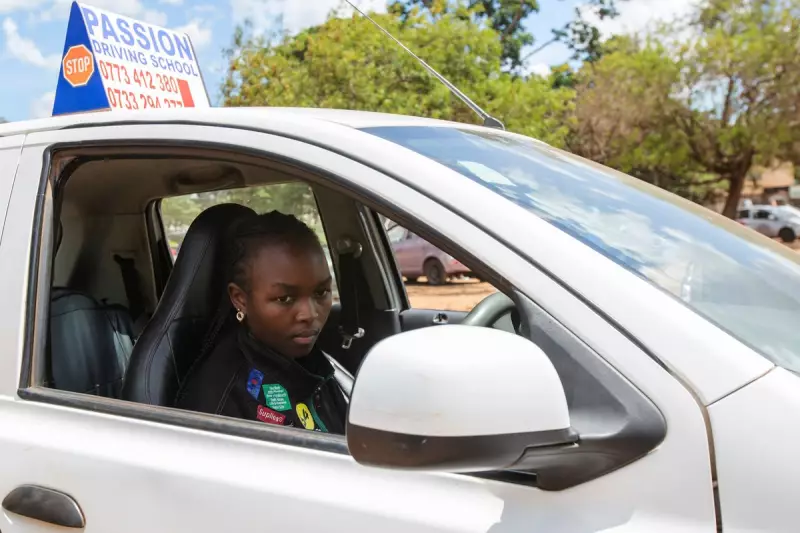
"Back then we were teaching by the book, it was all by the book," Muvhevhi recalled, coaching a student on a worn-out tarmac ground in Harare. Now, he teaches students to adjust to the chaos, where impatient drivers honk and overtake illegally, and pedestrians often disregard rules.
A Continent-Wide Crisis
Zimbabwe's situation is not unique but part of a devastating regional pattern. Across Africa, road accidents claim approximately 300,000 lives annually, representing about a quarter of the global death toll. The United Nations Economic Commission for Africa reports the continent has the world's highest road fatality rate, at 26.6 deaths per 100,000 people, compared to a global average of 18.
This crisis persists despite Africa's 1.5 billion people accounting for only about 3% of the global vehicle population. The World Health Organization's latest Africa road safety report, released in mid-2024, shows traffic deaths in Africa are rising faster than in any other region, with a 17% increase in fatalities between 2010 and 2021.
The WHO attributes this surge to weak laws and enforcement, reckless driving, and rapid urbanisation. A boom in imported used vehicles, motorcycles, and three-wheelers has seen vehicle registrations in Africa nearly triple between 2013 and 2021. Pedestrians, cyclists, and riders of two- and three-wheelers account for roughly half of all fatalities.
In Zimbabwe, the contradictions are stark. Minibus taxis with "safety first" signs swerve into pedestrian lanes. Fare collectors hang off moving vehicles. Sedans crammed with 12 passengers defy seating limits. Authorities state that 94% of road accidents in the country of 15 million are caused by human error. Munesu Munodawafa, head of the Traffic Safety Council of Zimbabwe, says cellphone distractions among drivers and pedestrians cause about 10% of deaths.
"That is frightening," said Munodawafa. "For such a small population, those numbers are alarming."
Searching for Solutions on a Dangerous Path
In response, Zimbabwean police have recently acquired body cameras and breathalysers. They are pushing for a review of the licensing system, including penalty points for offenders and a revamp of driver training to highlight the dangers of reckless driving.
"Drivers are not licensed to be killers, they are licensed to practice road safety and safeguard lives on the road but sadly that is not the case," said police spokesperson Paul Nyathi.
For veteran instructors like Tafara Muvhevhi, the core lesson is now unequivocal. "When we are teaching our students, it’s no longer an issue of just obtaining the driver’s license," he explained. "We teach them to stay alive in spite of incorrect actions of other road users."
For students like 19-year-old accounting major Winfrida Chipashu, navigating Harare's streets is more daunting than balancing ledgers. On these roads, survival has become the first and most critical part of the curriculum.