World's Oldest Railway Platform to Be Excavated in £3 Million Historic Project
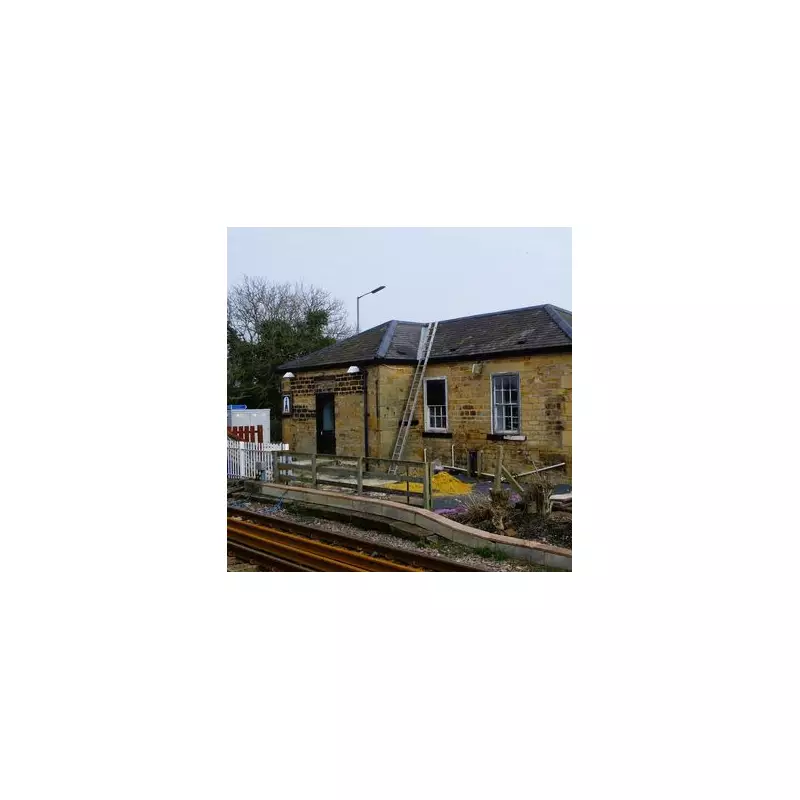
Plans are being developed for a significant archaeological excavation at what is believed to be the world's oldest railway station platform. The project, estimated to cost £3 million, will focus on Heighington Station in County Durham, a site with profound historical importance in the annals of railway development.
Historic Significance and Acquisition
Heighington Station dates back to 1827 and was an integral part of the Stockton and Darlington Railway, recognised as the first passenger railway in the world to utilise steam trains. Last year, the charity Friends of the Stockton and Darlington Railway purchased the station for £285,000 following an extensive fundraising campaign. The group has owned the building since September, marking a crucial step in its preservation efforts.
Niall Hammond, chair of the charity, explained that the excavation will target a small, cobbled platform located near the station. He noted that it is presumed to be the original platform for the building due to its appropriate size and shape. The team hopes to find a Georgian penny during the dig, which would help confirm the platform's age and historical authenticity.

Restoration and Public Access Plans
The charity aims to refurbish the site to recreate the atmosphere of 1827, with staff in period costumes, candle lighting, and decor from that era. Mr Hammond emphasised the goal of making the station accessible to the public, transforming it into a living historical experience. Longer-term aspirations include bringing the site back into economic and community use, potentially as an 1825-themed pub or restaurant with accommodation.
Restoration work is projected to cost £3 million, with much of the year dedicated to completing grant applications. The appeal to save the station was launched two years ago when its dilapidated condition was described as a blot on the local area. Historic England has added Heighington station to its Heritage at Risk Register, listing it as a Grade II* building, placing it in the top 8% of the most important structures in the country.
Historical Context and Legacy
The Stockton and Darlington Railway opened in 1825, revolutionising transport globally. Heighington station was one of three buildings commissioned by the railway company in 1826 to handle goods and passengers, becoming operational in early 1827. This predates Liverpool Road in Manchester, which opened in 1830 and is often cited as the world's first inter-city terminus.
Mr Hammond highlighted the station's unique legacy, stating, It is where Locomotion No 1 was first placed on the tracks, it is where three boys became its first passengers, and it is the world's first railway station – the cobbles outside it may well be the world's first railway platform. He added that it should be a source of pride for local people, whose forefathers were involved in this revolutionary change.
The station continued in railway use until the 1970s, fell into disrepair, was restored in 1984 and reopened as the Locomotion No 1 inn, but closed again in 2017. Historic England describes it as an early proto-railway station designed as a public house and domestic accommodation to oversee a coal depot, while also accommodating passengers, marking it as possibly the world's first railway station.
Plans for the excavation are still in the early stages, but the charity hopes to attract numerous volunteers for the dig over the summer. This project represents a vital effort to preserve and celebrate a cornerstone of industrial heritage, ensuring that future generations can connect with the origins of modern rail travel.