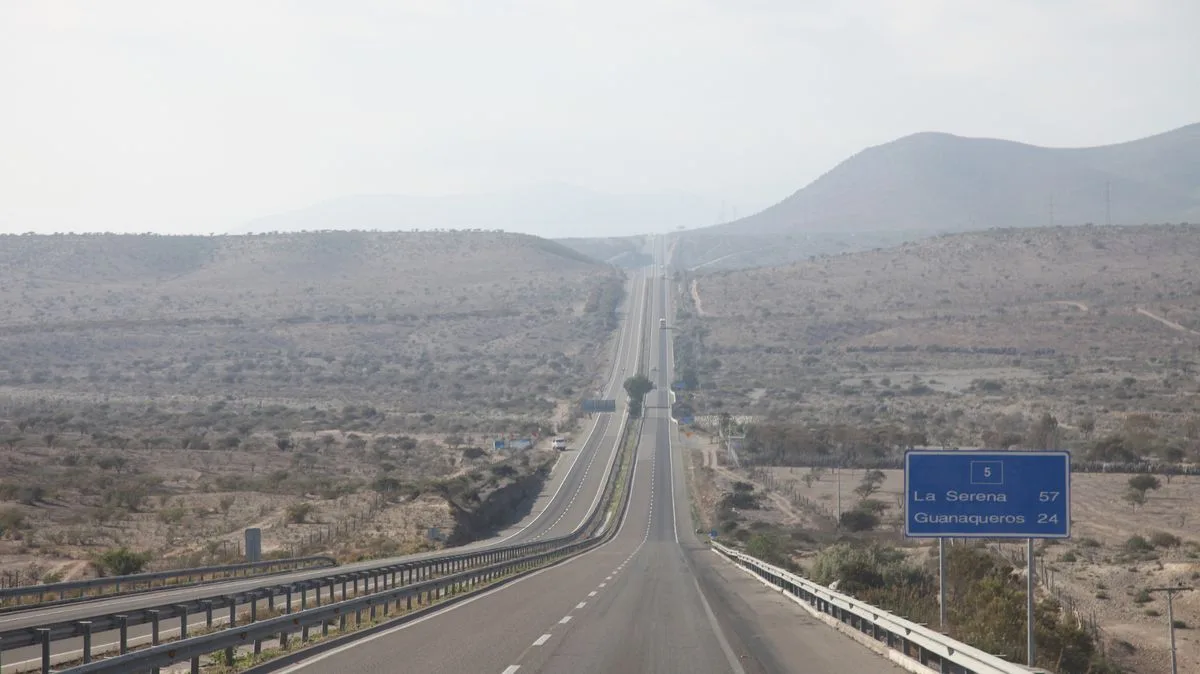
Stretching from the frozen north of Alaska to the windswept tip of Argentina, the Pan-American Highway holds the Guinness World Record as the longest drivable road on the planet. This monumental route stitches together approximately 19,000 miles (30,000 kilometres) of highway across two continents, offering the ultimate adventure for intrepid travellers.
The Ultimate Road Network: 14 Countries and Countless Landscapes
Contrary to what its name might suggest, the Pan-American Highway is not one continuous road. It is, instead, a vast and complex network of national highways linked over decades. The journey officially begins at Prudhoe Bay, Alaska, in the United States, and culminates in Ushuaia, Argentina, often celebrated as the southernmost city in the world.
The epic traverse connects 14 nations: the United States, Mexico, Guatemala, El Salvador, Honduras, Nicaragua, Costa Rica, Panama, Colombia, Ecuador, Peru, Chile, and Argentina. Some definitions include Canada, bringing the total to 15. The route delivers an astonishing variety of scenery, taking drivers through arid deserts, dense rainforests, soaring mountain ranges in the Andes, bustling metropolitan centres, and vast tracts of untouched wilderness.
The Notorious Darién Gap: The Highway's Only Break
Despite its incredible length, the highway has one famous and formidable interruption: the Darién Gap. This approximately 100-mile swathe of rugged jungle and swampland between Panama and Colombia remains the only significant break in the entire Pan-American system. Due to immense environmental challenges, political concerns, and the presence of armed groups, a road has never been constructed through this region.
This means that any traveller attempting the full journey must bypass the Gap by shipping their vehicle by boat or flying it between Central and South America. The Darién Gap stands as a stark reminder of the raw, unconquered natural barriers that still exist on our planet.
Conquering the Colossus: Timelines and Travellers
In purely theoretical terms, driving the entire highway without lengthy stops could be accomplished in two to three months. However, the reality for most adventurers is far more extended. Many allocate between six months to a full year for the trip, with some spreading the experience over one or even two years to fully absorb the cultures and landscapes along the way.
The route has been conquered by motorcyclists, cyclists, and even runners. Notably, actor and motorcycle enthusiast Ewan McGregor tackled significant portions of the highway during his 'Long Way' documentary series. The journey presents unique challenges, especially in the Andes where the road climbs to altitudes exceeding 4,000 metres (13,000 feet), testing both vehicles and drivers with thin air and unpredictable weather.
The vision of a single road uniting the Americas was first proposed in 1923 at the Fifth International Conference of American States. Construction and improvement occurred piecemeal over the following decades, with major efforts from the 1930s through the 1970s. There is no single completion date, as upgrades continue to this day. Consequently, driving conditions vary wildly from modern, multi-lane motorways in North America to rough, sometimes seasonally impassable tracks in parts of Central and South America.
For those with a spirit of adventure, the Pan-American Highway remains the definitive road trip, a 19,000-mile testament to human ambition and the breathtaking diversity of the Americas.




