World Cup Host City Faces Swift Backlash for Quadrupling Train Ticket Prices
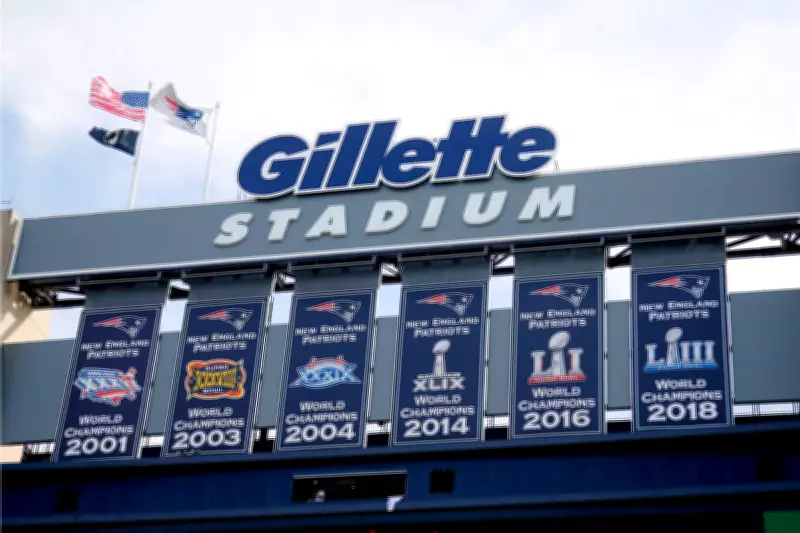
Massachusetts transportation officials are facing significant public outcry after announcing a dramatic increase in train ticket prices for the upcoming 2026 World Cup matches at Gillette Stadium. The Massachusetts Bay Transportation Authority (MBTA) has set the fare at $80 per ticket for the soccer games, a sharp rise from the standard $8.75 commuter fare and even the $20 charged for other major events.
Fan Groups Voice Strong Condemnation
The price hike has drawn immediate and forceful condemnation from prominent soccer fan organizations, including Free Lions and the Scottish Football Supporters Association. These groups argue that the steep increase places an unfair financial burden on supporters traveling to watch the matches, potentially pricing out many dedicated fans.
MBTA General Manager Phil Eng defended the decision, stating that the train service would still be the "easiest and most affordable" way for attendees to reach Gillette Stadium. However, this claim is being heavily scrutinized given the substantial cost difference compared to normal fares.

Financial Rationale Behind the Increase
The transportation authority aims to recover approximately $35 million in upgrade costs for Foxboro Station, which serves the stadium. These improvements are necessary to handle the anticipated surge in passengers, with up to 20,000 people expected to use the service per match during the tournament.
The $80 tickets are being sold as limited, nonrefundable passes that require purchasers to also hold a same-day match ticket for entry. This additional restriction has further fueled criticism from fans who see it as an unnecessary complication.
Broader Transportation Changes Across Host Cities
Massachusetts is not alone in implementing transportation adjustments for the World Cup. Other host cities are also making significant changes to manage the influx of visitors. For instance, New York City's Penn Station is reportedly planning to restrict access for non-ticket holders before matches at nearby MetLife Stadium.
These coordinated efforts highlight the logistical challenges host cities face in accommodating large-scale international events, though the specific approach taken by Massachusetts authorities has proven particularly controversial.
The backlash underscores ongoing tensions between event organizers seeking to fund infrastructure improvements and fans concerned about accessibility and affordability. As the 2026 World Cup approaches, transportation policies will likely remain a focal point of public debate across all host locations.