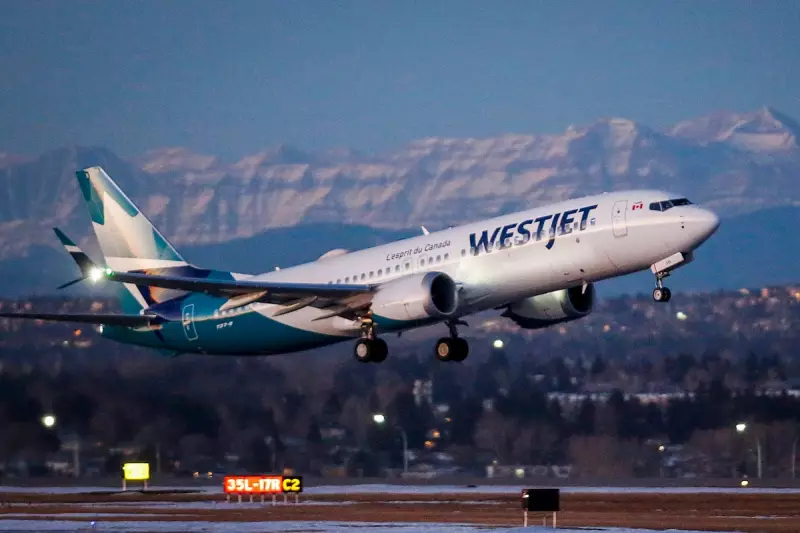
Canadian airline WestJet has performed a dramatic U-turn on controversial plans to squeeze more seats onto its aircraft, following a fierce backlash from passengers and its own cabin crew.
Public Outcry Over 'Inhumane' Conditions
The carrier, which is Canada's second-largest, began reconfiguring nearly two dozen of its planes in October 2025, adding extra rows. This reduced the space between all rows by two inches as part of a strategy to lower ticket prices. The plan was to roll out the new, denser layout across its entire fleet by February.
However, the move sparked immediate public anger. A viral TikTok video posted by Amanda Schmidt featured her parents struggling with the lack of space. In the clip, they joked about the impossibility of straightening their legs, with Schmidt remarking, "You have to pay for the other leg." She later told CBS News the configuration was "inhumane," stating, "If they're selling a seat for a human, it should fit a human."

Cabin Crew Warn of 'Hostile' Working Environment
The backlash was not limited to passengers. The airline's staff also voiced serious concerns. Alia Hussain, president of the union local representing WestJet's cabin personnel, revealed the tighter seating led to a surge in passenger complaints.
"It created a hostile working environment for us as cabin personnel," Hussain told Reuters. In a statement to Global News, she elaborated that the new layout caused "significant physical and emotional strain," leading to increased onboard tensions and more frequent escalated interactions with guests.
Airline Executives and Experts Backtrack
Facing mounting pressure, WestJet's CEO, Alexis von Hoensbroech, announced the reversal. He stated the airline had tried seat pitches popular with other global carriers to offer affordable fares but emphasised the importance of reacting when products "don't meet the needs of our guests."
As a result, one row of seats will be removed from each reconfigured aircraft, reducing the total seat count from 180 to 174. Aviation safety experts welcomed the change. Robert Sumwalt, a former chair of the US National Transportation Safety Board, told CBS News that less space between seats makes it harder to evacuate during an emergency, implying the U-turn would make travel safer.
Aviation industry expert John Gradek of McGill University said WestJet had "no choice" but to reverse course, telling Global News that Canadians had united to draw "a line in the sand."