The Mirror has been granted an exclusive early glimpse into Waymo's advanced self-driving taxis, known as robotaxis, which are poised to hit London's roads as early as autumn 2026. This pioneering initiative by the US-based firm, a subsidiary of Google, could herald a new era in urban mobility across the UK.
Waymo's Ambitious Plans for London
Waymo has officially confirmed its intention to roll out a fully autonomous taxi service in London towards the end of this year, pending crucial safety approvals from regulatory bodies. The company envisions deploying an army of driverless cabs, aiming to transform how residents and visitors navigate the capital's bustling streets.
Testing and Technology Insights
Already, Waymo's AI-packed vehicles have commenced testing on London's thoroughfares, equipped with state-of-the-art technology designed to enhance road safety. Nicole Gavel, Waymo's senior director and head of business development, emphasised the company's mission: "Our goal is to be the world’s most trusted driver." She asserts that their systems can significantly reduce traffic accidents and injuries involving pedestrians and cyclists.

The technology underpinning these robotaxis includes continuous monitoring capabilities that predict sudden events, such as a pedestrian stepping out from behind a bus. Ben Loewenstein, head of policy and government affairs for Waymo in the UK and Europe, highlighted this feature, stating, "It has a super human level of perception." The fleet will consist of electric Jaguar I-Pace cars, fitted with this innovative hardware.
First-Hand Experience and Public Reception
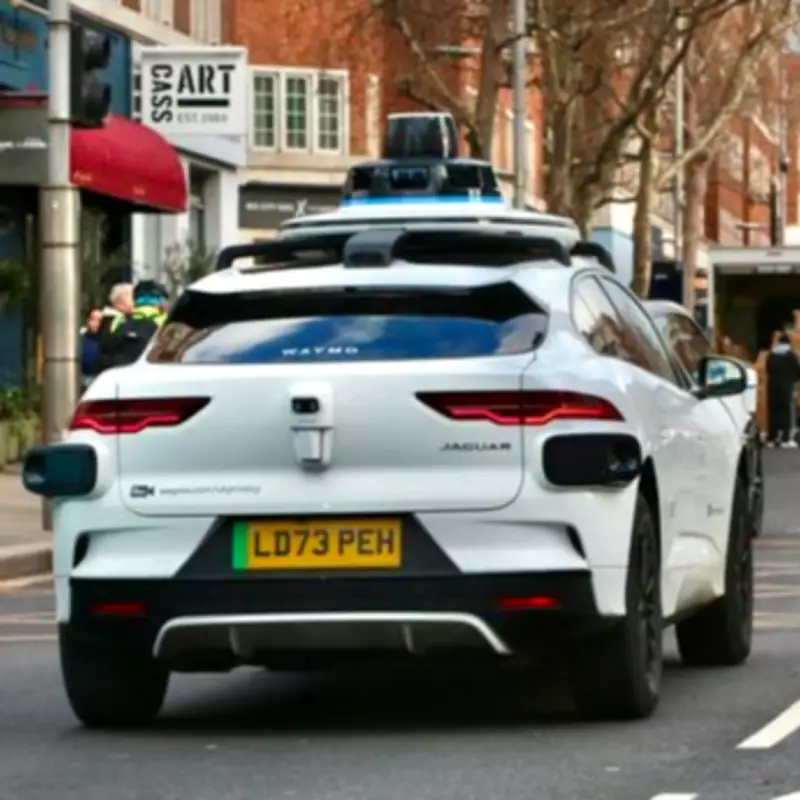
During a preview event, The Mirror's team experienced the robotaxi firsthand. From the exterior, the vehicle is distinctive, adorned with a large contraption on top and multiple cameras. Inside, however, it offers a plush, high-tech environment with leather seats and a touchscreen tablet in the rear, blending luxury with futuristic functionality.
Currently, human drivers remain at the wheel during testing phases, but the next stage will involve them moving to the passenger seat, a transition likely to capture public attention. Waymo hopes that Brits will embrace this technology as enthusiastically as users in American cities like San Francisco and Los Angeles, where the company operates 1,000 and 700 cabs respectively.
Challenges and Controversies
Despite the promising technology, Waymo faces several hurdles. Fares are expected to be higher than those of human-driven services such as Uber and traditional black cabs, potentially limiting widespread adoption. The company targets niche markets, including women travelling at night seeking safety and individuals valuing privacy.
Scepticism abounds among industry stakeholders. Steve McNamara, general secretary of the Licensed Taxi Drivers' Association, questioned public trust, asking, "Are people who don’t trust a robot to cut their grass going to trust one to take kids to school?" Additionally, GMB national secretary Andy Prendergast has raised concerns about "significant social implications," including impacts on employment within the transport sector.
Safety remains a paramount concern, underscored by incidents involving Tesla's self-driving software in the US, which have included fatal accidents. Waymo must navigate these perceptions while securing official safety clearances.
Future Expansion and Market Dynamics
Waymo has not ruled out expanding its services to other UK cities and towns in the future, signalling a potential nationwide rollout. This move comes as rival Uber begins trialling its own robotaxis in London, intensifying competition in the autonomous vehicle market.
The introduction of more vehicles on London's already congested roads poses logistical challenges, though Waymo argues that its technology could alleviate traffic issues through improved efficiency. Ultimately, the success of robotaxis will depend on public willingness to pay a premium for a driverless experience and trust in the technology's reliability.
As Waymo and other firms advance their autonomous driving capabilities, the landscape of urban transport in the UK stands on the brink of a transformative shift. Only time will reveal whether Brits are ready to embrace this futuristic mode of travel.