
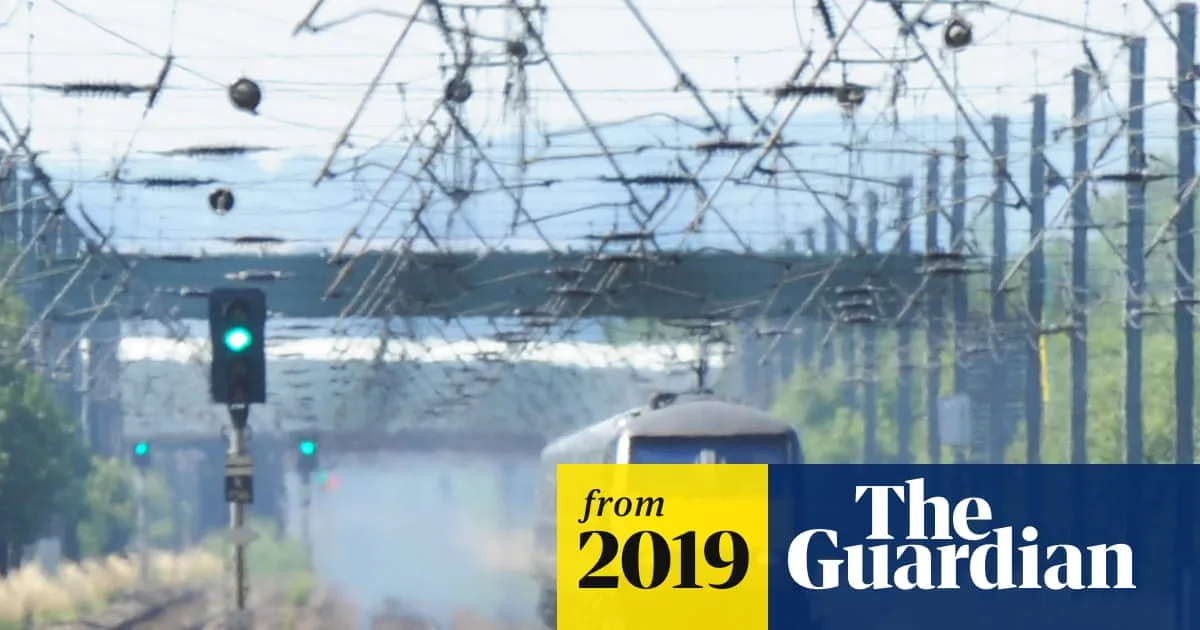
Train passengers across the UK have been advised to avoid travel if possible as the heatwave causes widespread disruption to the rail network. Many services have been cancelled, and severe speed restrictions imposed on those still running. The chaos has drawn criticism from passengers and industry observers.
The extreme heat causes steel rails to expand, with track temperatures potentially reaching 60°C when air temperatures approach 40°C. This expansion risks buckling, which can lead to derailments. Network Rail and train operators respond by imposing speed restrictions or cancelling services to ensure safety.
Overhead electrical lines also sag in the heat, risking being pulled down by trains. Additionally, dry weather can cause cracks or potholes in the ground beneath tracks, forcing slower speeds. Network Rail stress-tests rails based on a mean summer track temperature of 27°C, while hotter countries assume higher temperatures and manage tracks accordingly, sometimes using concrete slab track that costs four times as much to lay.
Network Rail argues that building UK tracks to the same standards as hotter countries would not be cost-effective due to the UK's typically moderate climate. However, as heatwaves become more frequent due to climate change, the strategy may need to be reconsidered. Network Rail's 2017 climate strategy explores whether investing in heat-resistant track now could reduce future costs of repairs and passenger compensation.




