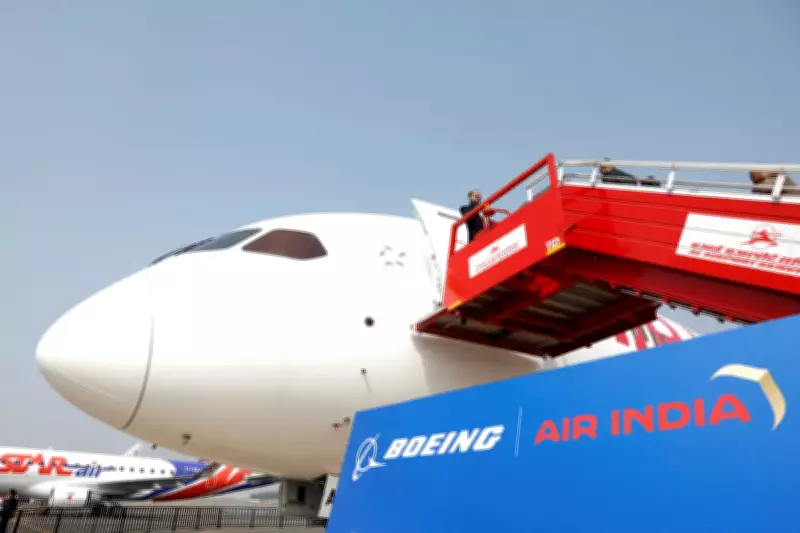
The UK's aviation regulator has launched a formal inquiry into Air India's decision to clear a Boeing Dreamliner for flight despite pilots reporting a concerning issue with a fuel control switch during engine start-up at London Heathrow.
Heathrow Incident Triggers Regulatory Scrutiny
The Civil Aviation Authority (CAA) has reportedly demanded a comprehensive explanation from Air India after a Boeing 787-8 aircraft experienced problems with its fuel control system before departing from Heathrow Airport on Sunday. According to aviation sources, the crew preparing for flight AI176 to Bangalore encountered a potentially serious technical issue during pre-flight checks.
Technical Details of the Fuel Switch Problem
During engine start procedures, the flight crew observed that one of the aircraft's two fuel control switches failed to remain securely locked in the "run" position on two separate attempts. These critical components regulate the precise flow of jet fuel into the aircraft's engines. Only on the third attempt did the switch stabilise correctly, after which the aircraft proceeded with its scheduled journey to India.

Upon landing in Bangalore, the pilot formally reported the concerning incident, triggering immediate safety reviews. The significance of fuel control switch malfunctions has been heightened considerably since last year's catastrophic Air India crash in western India, which killed 241 of the 242 people aboard a Boeing 787-8 bound for London, plus 19 individuals on the ground.
Formal Regulatory Action and Demands
In response to the Heathrow incident, the UK Civil Aviation Authority has taken the unusual step of issuing a formal letter to Air India's management. The regulator has requested what it describes as "a detailed account of all maintenance actions performed to ensure the continued airworthiness of the aircraft" involved in Sunday's flight.
Beyond simply documenting what occurred, the CAA has demanded a thorough investigation into why the aircraft was permitted to depart despite the known switch issue. Specifically, the authority has called for:
- A comprehensive root-cause analysis explaining why the fuel control switch behaved erratically
- A detailed preventive action plan to ensure similar issues do not recur across Air India's entire Boeing 787 fleet
- Complete documentation of all maintenance and safety checks performed before the aircraft's departure
Air India's Response and Fleet Inspections
Air India has stated that it conducted precautionary re-inspections of fuel control switches across its operations following the incident and found no additional issues. An internal company memo reportedly confirmed that checks had been performed on all 33 Boeing 787 aircraft in Air India's fleet, with no further problems identified.
The airline has indicated it will "respond to the UK regulator accordingly" and has emphasised its commitment to safety protocols. Meanwhile, Boeing has confirmed it is cooperating with Air India's investigation into the technical incident.
Regulatory Consequences and Safety Implications
The Civil Aviation Authority has warned of potential regulatory action against both Air India and its Boeing 787 fleet if the airline fails to provide a complete and satisfactory response within seven days. While the CAA described its inquiry as "standard" procedure following aircraft incidents and "in line with safety assurance procedures," the explicit threat of regulatory measures underscores the seriousness with which UK authorities view the matter.
This incident occurs against the backdrop of ongoing investigations into last year's devastating Air India crash. A preliminary report released in June indicated that the fatal accident involved fuel control switches that almost simultaneously flipped from "run" to "cutoff" within three seconds of take-off, effectively starving the engines of fuel. However, investigators have not yet established what caused this critical system failure.
The UK regulator's intervention highlights growing international concern about fuel system reliability in modern aircraft and represents a significant test of aviation safety protocols between regulatory authorities in different jurisdictions.