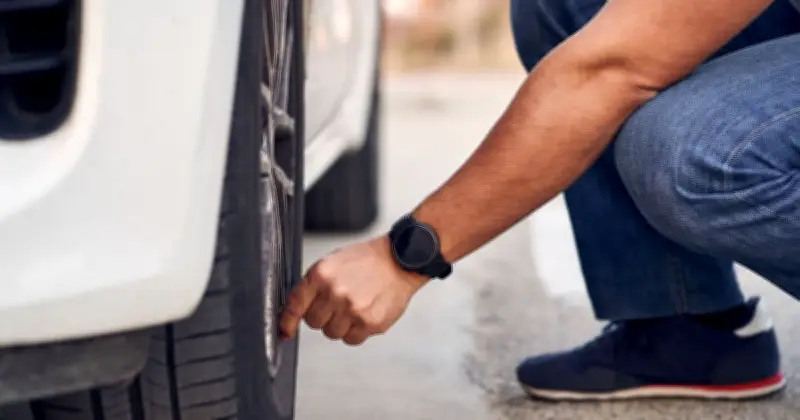
As temperatures across the UK soar into the 30s Celsius, drivers are being urged to check a vital car setting to prevent serious accidents. The key safety check is tyre pressure, which can become dangerously over-inflated in hot weather, increasing the risk of a high-speed blowout.
Why Tyre Pressure Matters in a Heatwave
Hot tarmac combined with incorrect tyre pressure creates the perfect conditions for a blowout, which can lead to a serious but avoidable accident. The AA cautions that hot weather, especially during heavy traffic, places significant stress on vehicles and greatly increases the risk of engine failure. The organisation advises drivers to check fluid levels, ensure tyre pressure is correct, and carry water to prevent overheating and breakdowns.
According to the AA: "After several days of heatwave conditions, it is important that drivers do not become complacent." In hot weather, the air inside tyres expands, increasing pressure by around 0.1 to 0.2 bar for every 10°C. While this may seem minor, it can make the difference when a tyre is on the brink of a blowout. A tyre perfectly inflated in April could become dangerously over-inflated during a July heatwave.
Free and Low-Cost Checks Available
Checking and adjusting tyre pressure is remarkably cheap, and often free. Major UK tyre and autocare chains, including Halfords, Kwik Fit, National Tyres, and Protyre, offer complete visual tyre inspections and pressure checks at no charge. Additionally, cars built in the last ten years are likely equipped with a Tyre Pressure Monitoring System (TPMS). Under EU and UK law, all new passenger cars sold since November 2014 must have TPMS, which triggers a yellow warning light on the dashboard when pressure drops too low.
How to Fix Tyre Pressure Issues
The solution depends on the problem. For low pressure, adding air costs less than £1 at most UK supermarkets and garage forecourts with digital machines. However, if a tyre cannot be legally or safely repaired under UK safety standards, replacement is necessary. Budget tyres cost around £50 to £90, while premium brands range from £140 to £350 each.
Fixing high tyre pressure is free and can be done at home or any petrol station. Follow these steps:
- Find your target number: Open the driver's door and look for the tyre placard sticker on the door frame or fuel filler cap. It shows the exact cold inflation pressure for your car.
- Remove the valve cap: Unscrew the small plastic cap on the tyre's air valve and store it safely.
- Depress the centre pin: Use a small tool like a car key tip or pen to gently press the tiny metal pin inside the valve tip.
- Let air out in short bursts: Press the pin for three to five seconds at a time, then check the pressure. Repeat until the tyre reaches the target number.
Drivers are encouraged to perform this simple check before any long trips this summer to ensure safety on the roads.