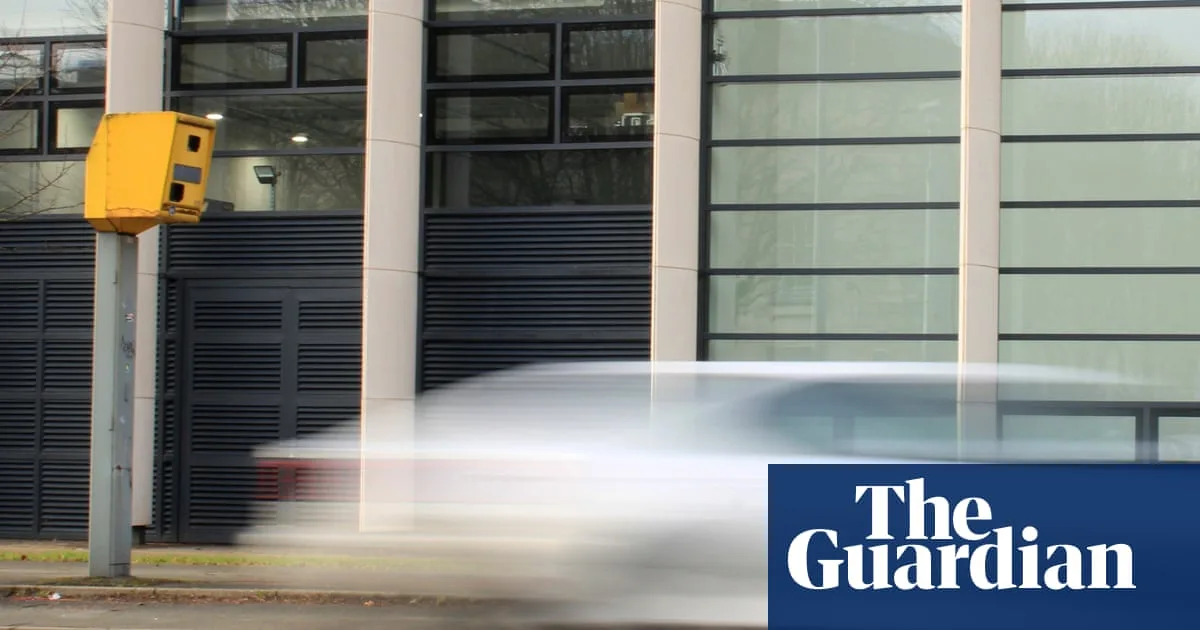
A fierce national debate has been reignited over the effectiveness and ethics of speed camera placement in the United Kingdom. The core question dividing motorists, cyclists, and pedestrians is straightforward: should speed cameras be concealed to catch offenders, or kept highly visible to encourage drivers to slow down?
The Core Argument: Deterrence vs. Punishment
The discussion, sparked by reader submissions to a national newspaper, centres on whether the primary goal of cameras is to generate compliance or revenue. One Cornwall-based driver, Amy, voiced a common frustration, stating she is "fed up with seeing cars zooming down local roads at way more than 20 or 30mph." She argues that warning signs and apps allow drivers to brake momentarily before resuming speeding, undermining the purpose of limits.
This sentiment is countered by those who believe visible cameras are the better deterrent. Commentator 'Goldgreen' encapsulated this view, arguing, "People should just abide by the speed limits. It’s not as if speed limits are designed as a punishment." The belief is that a bright yellow camera forces immediate behavioural change at known danger spots.
Reader Solutions and Technological Proposals
The debate has spurred a wide range of suggestions from the public. Many readers pointed to the perceived superiority of average speed camera zones, which use Automatic Number Plate Recognition (ANPR) to calculate speed over a distance, as a more effective tool for maintaining consistent compliance.
Others proposed more radical technological fixes. Several comments highlighted that from July 2024, all new cars sold in the EU and Northern Ireland are required to have intelligent speed assistance (ISA) systems. Suggestions extended to fitting all vehicles with 'black boxes' or using RFID technology in road reflectors to communicate directly with a car's computer to enforce limits automatically.
Enforcement ideas were equally robust. Some advocated for hidden cameras coupled with penalty points rather than fines to counter the 'cash cow' allegation, while others called for a significant increase in fines and mandatory speed awareness courses for all drivers every five years.
The Safety Statistics and Political History
Contributors referenced data to bolster their positions. One reader cited a 2025 New York City study showing speed cameras reduced injuries by 16% and collisions by 30%, with similar reductions noted in Toronto school zones. However, the historical UK policy was also noted; the Blair government and then Transport Minister John Spellar decided cameras should be visible, a policy some argue has led to 'crash migration'—where accidents simply move to other stretches of road.
The stark reality of road deaths provides a grim backdrop. As reader Phillip Tanswell noted, road traffic deaths in Great Britain have averaged around 1,600 annually for several years. He and others argue this figure would provoke crisis measures in other transport sectors, but on the roads it passes with minimal national attention.
The consensus among many is that a holistic review is needed—one that reassesses speed limits themselves, employs a mix of overt and covert cameras, and ultimately treats driving as a privilege, not a right. With public opinion deeply split, the question of how best to engineer slower, safer streets remains firmly on the UK's political dashboard.




