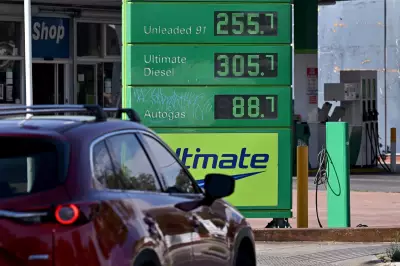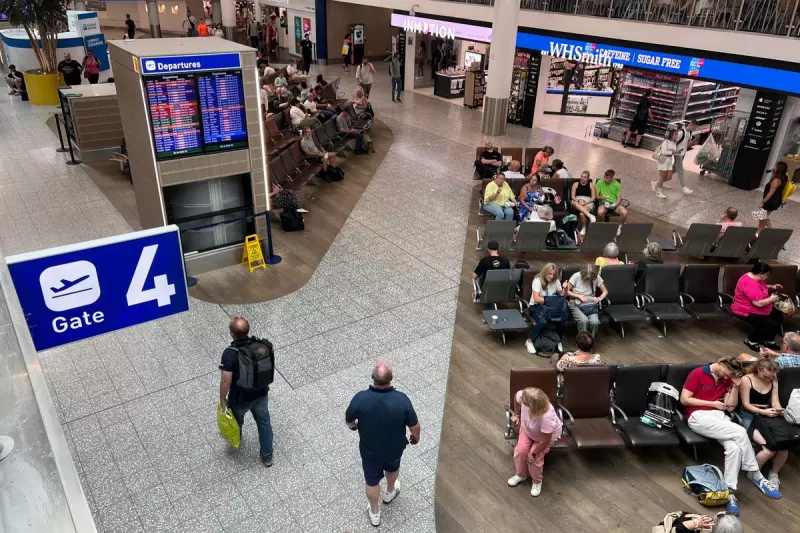
A dramatic three-day surge has seen UK airports racing to impose the highest passenger drop-off fees in the country, with costs reaching a new record of £10.
The Rapid Ascent to a Tenner
As of Sunday, 4 January 2026, a group of major airports shared the top spot, charging motorists £7 to stop outside their terminals. This club included London's Gatwick, Heathrow, Luton, and Stansted, alongside regional hubs like Bristol, Leeds Bradford, and Southampton. London City airport remained a notable exception, charging nothing.
The landscape shifted rapidly on Monday, 5 January. Bristol airport leapt ahead with a 21% increase, setting its fee at £8.50. The airport attributed this rise directly to the recent budget from Chancellor Rachel Reeves, which it said would more than double its business rates bill, making it the "single biggest non-operational cost." It also cited environmental motives, hoping the higher price would push passengers towards more sustainable transport.

Bristol's reign at the top was short-lived. By Tuesday, 6 January, Gatwick airport implemented a massive 43% hike, taking the drop-off fee to a landmark £10. On the same day, London City airport ended its long-standing free drop-off policy, introducing a new charge set at a premium £8.
The Origins and Arguments for Charges
The concept of drop-off fees was born from security concerns after the attempted terrorist attack on Glasgow airport in June 2007. The subsequent need to reconfigure forecourts for protection led Birmingham airport to introduce a charge to cover costs, a model quickly adopted nationwide.
Proponents, including the airports themselves, often highlight an environmental benefit. They argue that dedicated drop-off journeys generate extra traffic, as the driver typically returns empty, effectively doubling the number of car trips. Airports like Gatwick, with its excellent rail links, and Bristol, with its new Public Transport Interchange and electric buses, encourage use of these alternatives. However, critics note this is impractical for those with mobility issues, heavy luggage, or young children, and point out that Bristol's one-way bus fare for an eight-mile trip is £9—more than its own drop-off fee.
Passenger Backlash and Social Media Hacks
The steep increases are predicted to trigger a wave of social media activity as travellers seek ways to avoid the charges. Tips are already circulating; the frequent-flyer website Head for Points, for instance, has advised London City airport users to get dropped off at the corner of Drew Road and Leonard Street for quick terminal access via a pedestrian tunnel.
Residents living near airports may also feel the impact, as drivers seek free alternatives on local roads. With London City's new fee, the ranking of the most expensive UK airport drop-offs as of 6 January is: 1. Gatwick (£10), 2. Bristol (£8.50), 3. London City (£8). The airport that started the trend, Birmingham, now sits mid-table with a £6 fee.