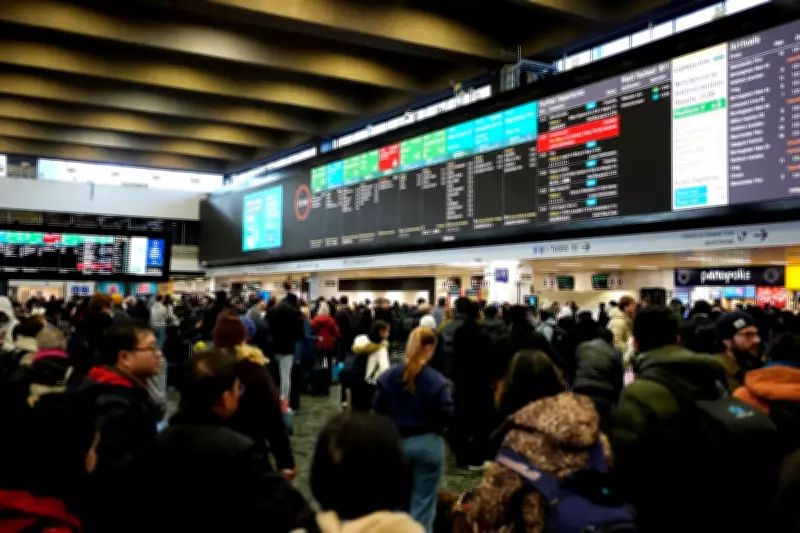
Rail passengers across the United Kingdom are collectively missing out on more than £80 million each year in compensation for delayed train journeys, according to new analysis. This staggering shortfall is attributed to what has been described as an "unacceptable" and overly complicated claims process that deters many from seeking their rightful payouts.
The Compensation Gap and Its Causes
Online ticket retailer Trainline has highlighted a significant disparity in how compensation claims are handled. Their research indicates that approximately one in four passengers who purchase tickets through independent retailers are unable to access streamlined "one-click" compensation systems. Instead, these travellers are forced to navigate more manual, time-consuming procedures that often lead to frustration and abandonment of claims.
Survey Reveals Widespread Passenger Frustration
A comprehensive survey commissioned by Trainline uncovered troubling statistics about passenger behaviour. The data shows that 29 per cent of eligible passengers failed to claim compensation they were entitled to last year alone. Many cited the claims process as being excessively frustrating and burdensome, with complex requirements deterring them from pursuing what is rightfully theirs.

Neil Lancefield, reporting on Friday 30 January 2026, detailed how this systemic issue affects millions of travellers annually. The compensation gap represents not just financial loss for passengers, but also highlights broader inefficiencies within the rail compensation system.
Calls for Systemic Rail Reform
In response to these findings, Trainline has launched a public petition urging the Government to implement meaningful rail reform that "focuses on what matters" to passengers. The retailer is specifically calling for universal "one-click" compensation claims to be made available to all online ticket buyers, regardless of where they purchased their ticket.
This proposed reform would standardise the claims process across all ticket retailers, eliminating the current disparity that leaves many passengers at a disadvantage. The move towards simplified compensation claims aligns with broader passenger rights initiatives and could significantly improve customer satisfaction with rail services.
The £80 million annual compensation gap represents a substantial financial burden on passengers who already face rising ticket prices and service reliability concerns. As the debate around rail reform continues, passenger advocacy groups are increasingly focusing on compensation accessibility as a key measure of system fairness and efficiency.