A train collision at one of the UK's busiest railway stations has been officially attributed to a driver falling asleep at the controls due to fatigue, a safety investigation has concluded.
The Incident: A Slow-Motion Collision
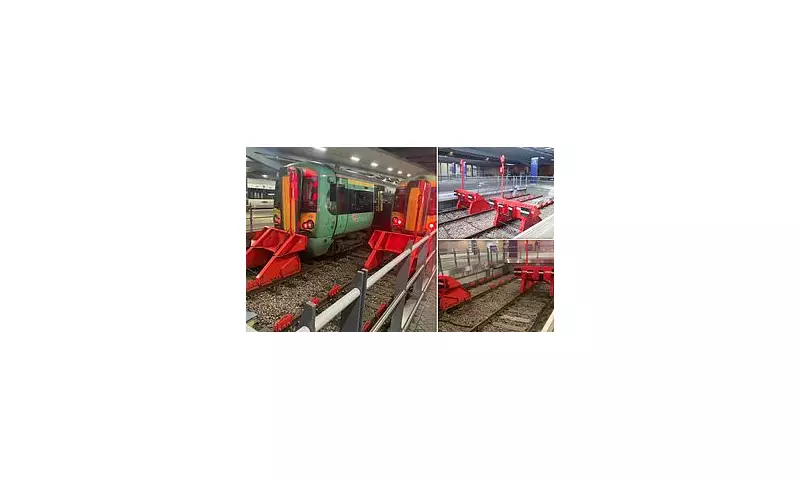
The Rail Accident Investigation Branch (RAIB) found that a Southern Railway service crashed into the buffers at London Bridge station at 3.45pm on December 13 last year. The train was arriving at platform 12 when the incident occurred.
Data from the onboard recorder showed the train entered the platform at 13.3mph and was slowing down. However, the driver, who was not named in the report, applied the emergency brake only three-and-a-half metres from the buffers. It was too late to prevent the collision, which happened at a speed of 2.3mph.

Root Cause: Fatigue and Disrupted Sleep
The investigation pinpointed driver fatigue as the primary cause. The driver "experienced a microsleep due to fatigue", the RAIB stated. Contributing factors were detailed in the report.
The driver had obtained less than his normal sleep the night before because of unexpected changes to childcare arrangements at home. He typically stayed in bed until 9am before an afternoon shift but had to rise at 7.30am on the day of the crash.
Furthermore, the RAIB noted the driver's heightened risk of fatigue was increased because he had worked on nine of his 12 scheduled rest days in the 22 days preceding the accident. This practice of volunteering for paid extra shifts is common across the industry to staff timetabled services.
The driver reported feeling tired and recognising the need to focus when the train stopped at Crystal Palace station 26 minutes before the collision, but felt able to continue.
Aftermath and Safety Recommendations
The crash resulted in minor damage to both the train and the station infrastructure. Fortunately, no injuries were reported.
The RAIB's analysis found that none of the train's protection systems activated to prevent the buffer strike because it was travelling below the minimum intervention speed. Other safety systems were also unable to detect the brief loss of driver alertness.
As a result, the RAIB has recommended that Govia Thameslink Railway (GTR), Southern Railway's parent company, improves its fatigue management processes.
In response, GTR's Safety, Health and Security Director, Samantha Facey, stated that safety was the firm's top priority. She outlined measures already taken, including:
- Updating the fatigue risk management standard in August.
- Establishing stronger working groups with staff representatives.
- Using scientific modelling to plan shifts and proactively spot fatigue risks.
Facey emphasised the company's commitment to ensuring staff are fit and alert at work and to meeting the RAIB's recommendations.