A devastating rail collision in southern Spain that claimed 42 lives and left more than 150 people injured has been linked to critical defects in both the track infrastructure and train wheels, according to preliminary findings from official investigators.
Preliminary Investigation Points to Infrastructure Failures
The Railway Accident Investigation Commission (CIAF) has identified significant "nicks" on the wheels of one train and "deformations" on the tracks at the crash site near Cordoba. These defects appear to have played a crucial role in Sunday evening's catastrophic collision between two high-speed trains traveling at approximately 130 miles per hour.
Timeline of the Cordoba Rail Disaster
The tragedy unfolded at 7:45 PM local time when the rear section of a passenger train carrying 289 people from Malaga to Madrid derailed and collided with an oncoming train traveling from Madrid to Huelva with 184 passengers aboard. Rail operator Adif confirmed the collision involved two separate services operating on the same line.

The second train, traveling toward Huelva, bore the brunt of the impact. The violent collision propelled its first two carriages off the tracks and down a four-meter slope, with some victims' bodies reportedly found hundreds of meters from the primary crash site according to Andalusia regional President Juanma Moreno.
Scene of Devastation and Rescue Operations
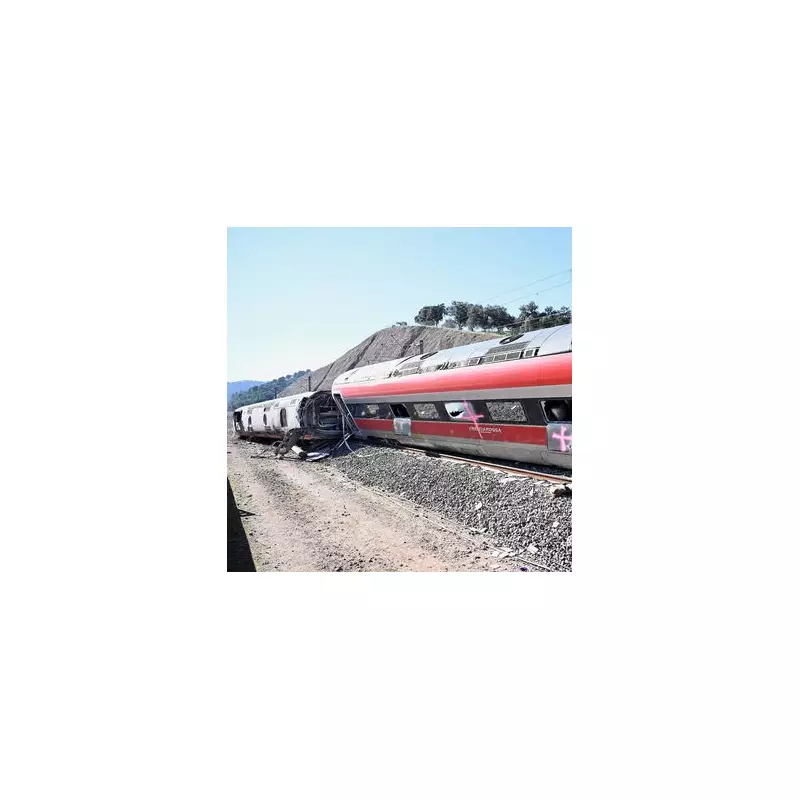
Photographic evidence from the scene reveals the sheer destruction caused by the high-speed impact. The first two cars of the second train were completely severed from the rest of the train and lay beside the tracks, while train seats had been violently ejected onto the rock ballast supporting the railway line.
Further along the tracks, emergency responders including Civil Guard officers with search dogs inspected the interior of the first train. Passenger belongings lay scattered across carriage floors, while the final carriage rested on its side directly on the tracks. The second-to-last carriage leaned precariously to one side with every window shattered from the force of the collision.
Ongoing Investigation and Regional Response
While the preliminary report has identified track and wheel defects as contributing factors, the full investigation continues to examine all potential causes of Spain's deadliest rail accident in recent years. The collision has prompted renewed scrutiny of railway maintenance protocols and safety standards across Spain's extensive rail network.
Regional authorities in Andalusia have coordinated with national transport officials as recovery operations transition to comprehensive investigation and support for affected families. The scale of injuries—with at least 159 people requiring medical treatment—has placed significant strain on local healthcare facilities in the Cordoba region.