With a severe cold snap gripping the nation, British motorists are facing the familiar morning battle with frozen windscreens. However, experts are issuing urgent warnings against common but risky de-icing practices, particularly the use of boiling water, which can cause catastrophic damage.
The Boiling Water Danger You Must Avoid
The debate was highlighted on Reddit's 'Ask UK' forum in early January 2026, where a driver boasted of using warm tap water to clear ice in under two minutes, a method they had employed for 25 years. While they clarified they used warm, not boiling, water, the discussion underscored a widespread misconception. Organisations like Green Flag and the consumer champion Which? are adamant: using boiling water from a kettle is a terrible idea.
The rapid temperature change can cause the glass to crack or shatter instantly. Even if it doesn't break immediately, the thermal shock can weaken the windscreen's structure. Furthermore, spilled water can freeze on the ground, creating a hazardous patch of black ice.

What the Breakdown Services and Watchdogs Recommend
So, what should you do instead? The advice focuses on patience and the right tools. Which? suggests the proper way is to start your car, turn the warm air blowers to full power directed at the windscreen and rear window, and engage the defrost setting if your vehicle has one.
However, Green Flag cautions that idling the engine solely to de-ice is inefficient, wasteful on fuel, and increases engine wear. Their top recommendation is a dedicated de-icer spray, applied across the glass, which works almost immediately and allows you to drive away legally with a clear view.
Proactive Tips and Community Wisdom
Online forums reveal savvy routines from organised drivers. One popular method is using a windscreen cover overnight, so ice forms on the removable cover rather than the glass itself. Another motorist's routine combines several steps: "Put the engine on, put the rear de-mister on and direct the heat to the windscreen. I use de-icer if it's bad or if I don't have time, I scrape otherwise."
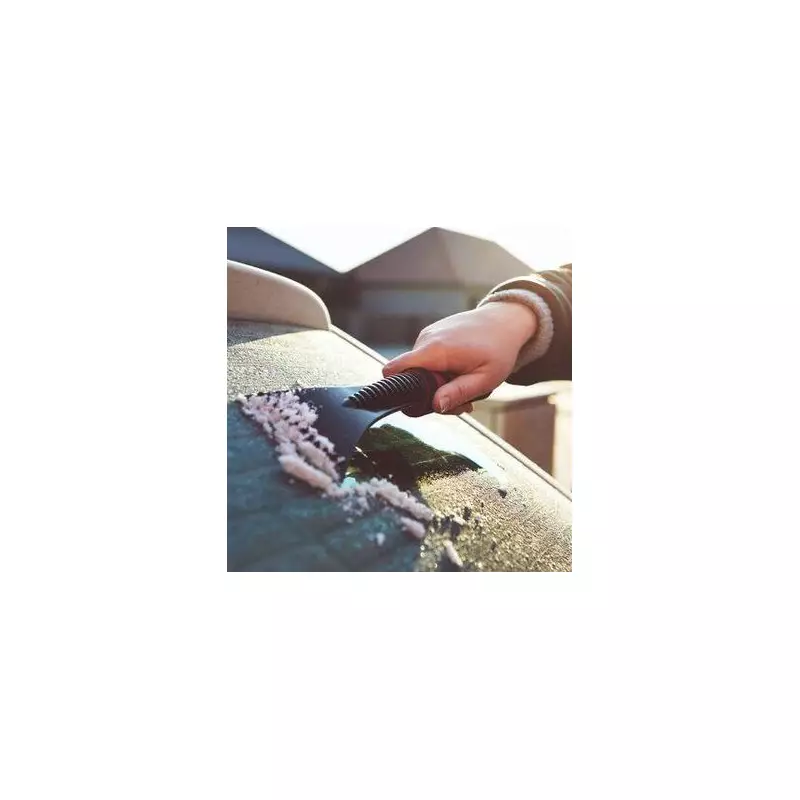
While scraping with a proper plastic ice scraper is still a common fallback, experts strongly advise against using improvised tools like credit cards or CD cases, which can scratch the glass or break. The consensus is clear: a little preparation with a cover or a bottle of de-icer is far safer and more effective than resorting to extreme methods that could leave you with a hefty windscreen replacement bill.