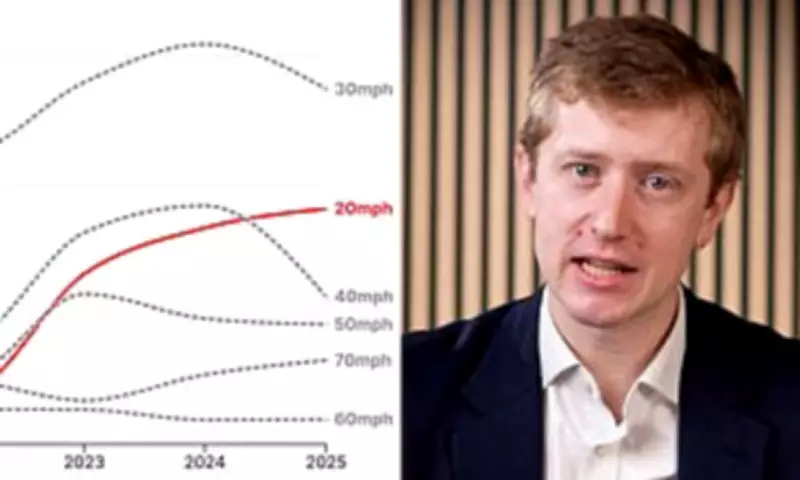
Modern vehicles on Britain's highways are engineered with unprecedented power and acceleration capabilities, yet a pressing question emerges: are motorists actually driving any faster? A comprehensive new investigation has delved into the latest statistics on speeding enforcement, uncovering a complex and somewhat counterintuitive picture of driver behaviour across the nation.
A Significant Drop in Overall Penalties
The exclusive data analysis reveals a notable decline in the total number of speeding fines issued last year. For the police forces that responded to the inquiry, the figure stands at approximately 550,000 penalties. This represents a substantial decrease from the around 620,000 fines recorded in the previous year, 2024, marking a significant shift in enforcement patterns.
Diverging Trends in Speed Zones
Beneath this overall drop lies a fascinating divergence in offence rates across different types of roads. The investigation highlights that offences in 20mph zones actually increased over the past year. This rise suggests a growing focus on, or perhaps difficulty with, compliance in these lower-speed areas, often implemented in residential neighbourhoods and near schools to enhance safety.

In stark contrast, the number of fines issued in traditional 30mph zones—the most common speed limit on urban roads—has dropped off sharply. This decline could point to several factors, including improved driver adherence, changes in policing priorities, or the effectiveness of awareness campaigns in these well-established zones.
Analysing the Underlying Causes
The central puzzle remains: why are speeding fines falling at a time when the cars on our roads are more potent than ever? Potential explanations are multifaceted. There may be a genuine improvement in driver compliance with speed limits, spurred by safety initiatives. Alternatively, enforcement strategies might have shifted, with resources potentially being redirected or technological methods evolving. The rise in 20mph zones across the UK also changes the landscape of where offences are most likely to occur, redistributing the figures.
This complex interplay between vehicle technology, driver behaviour, and law enforcement strategy paints a nuanced portrait of road safety in contemporary Britain. The data prompts further questions about the effectiveness of current policies and the real-world impact of increasingly powerful vehicles on public highways.