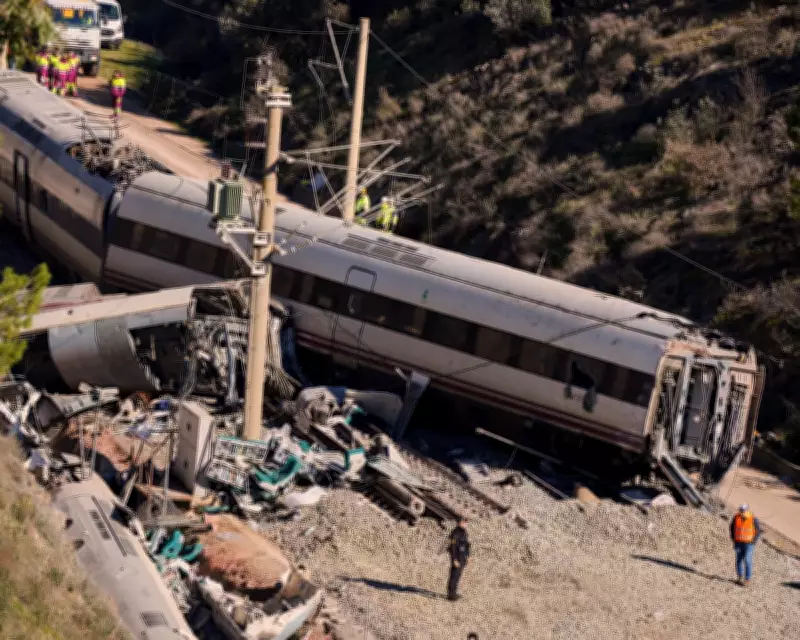
The site of the deadly train crash in Adamuz, Spain, on 20 January 2026, captured in a photograph by Manu Fernández for AP, starkly illustrates the recent tragedies that have shaken the nation's renowned rail system. Spain is rightly proud of its high-speed trains, but pride alone does not ensure safety, as highlighted by journalist María Ramírez. The Sánchez government is under intense pressure following two devastating crashes, yet politicians across the spectrum have historically prioritised opening new lines over maintaining existing ones, raising critical questions about long-term infrastructure health.
A Network of Pride and Peril
Spain boasts the most extensive high-speed rail network in Europe and the second-largest globally, trailing only China. This system has become a source of immense national pride, expanding and becoming more affordable due to a surge in rail passengers and increased competition among train operators. For instance, trains depart every few minutes from Madrid to Barcelona and back, connecting the country's two most populous cities in under three hours for an average fare of €65 over a 600km journey.
Since the inaugural high-speed service between Madrid and Seville thirty-four years ago, the network now links over 50 cities across Spain. It has long served as a badge of pride and even enjoyed rare political consensus. However, this unity has been fractured by this month's calamities. In the first accident, a train derailed and collided with another near Adamuz in Andalucía, resulting in 45 fatalities and numerous injuries. A second incident in Catalonia, caused by a wall collapse during bad weather, claimed the life of a commuter train driver in Barcelona, leading to days of complete halts on a local network already plagued by delays and malfunctions.

Safety Concerns Amidst Political Turmoil
While the network's overall safety record remains robust, these shocking events have ignited fierce debates about underinvestment in infrastructure maintenance, transforming the issue into another battleground for angry, partisan conflicts. Spaniards have a deep affection for trains, with rail travel now accounting for more than 56% of all transport, surpassing combined road and air usage. In 2024, long-distance trains carried 85 million passengers, marking a 15% increase from the previous year. The accidents resonate profoundly because trains are an integral part of daily life, providing reliable service for many, even as local networks frustrate users and depopulated areas see gradual service losses.
Investigations into the Andalucía derailment are ongoing, with attention focused on a broken weld connecting rails from 1989 and 2023 at the accident site. This has sparked political disagreement over the extent of overhauls on the Madrid-Seville line, one of the oldest in the high-speed network. Transport Minister Óscar Puente, a divisive figure known for criticising journalists and rivals on social media, admitted errors in his initial statements about the crash.
Political Point-Scoring and Infrastructure Neglect
The centre-right People's Party (PP) is leveraging the dispute to launch broader attacks on the government, with leader Alberto Núñez Feijóo making puns comparing the railway's state to the nation's. Despite the PP-led regional government in Valencia facing criticism for mismanaging 2024 floods, leading to its president's resignation, many conservatives now aim to blame the Socialist-led national government for the train disaster. Only a few, like Andalucía's president, have avoided exploiting the tragedy for political gain.
Beyond the blame game, the high-speed network results from long-term bipartisan commitment, yet a persistent pattern of favouring new line investments over maintenance persists. Politicians, regardless of affiliation, often prefer inaugurating new lines or renovated stations for photo opportunities, neglecting the mundane but crucial task of upgrading rural tracks. The current centre-left government has invested more in rails and maintenance than its conservative predecessor, which governed post-financial crisis. However, with rising traffic, new lines, and more passengers, Spain spends less per kilometre on maintenance than Germany or Switzerland, though such comparisons are nuanced by network age and public works costs.

Moving Forward with Caution
Addressing these challenges demands a serious, careful approach from both government and opposition, rather than descending into another unscrupulous, partisan race to the bottom for political advantage. Despite the recent tragedies, there remains much to admire about Spain's trains—they are cheaper, faster, and more comfortable than most in Europe. María Ramírez, a journalist and deputy managing editor of elDiario.es, underscores the need for balanced priorities to safeguard this vital national asset.