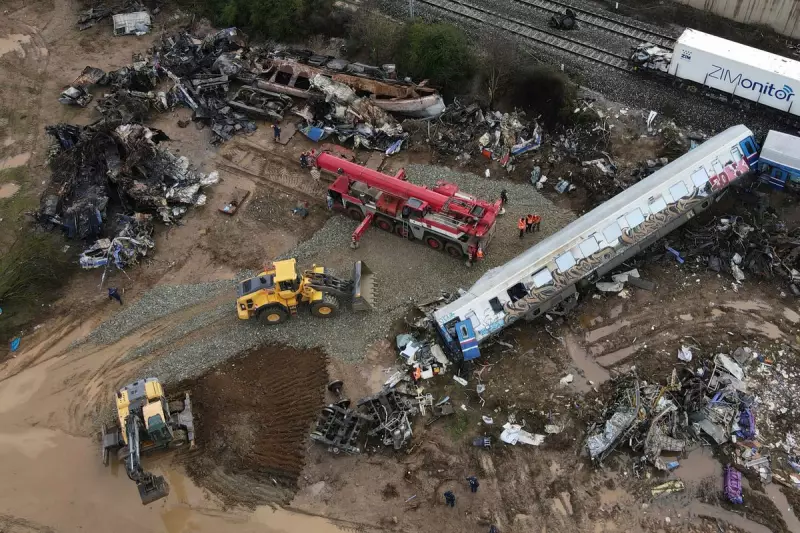
A devastating high-speed train derailment in southern Spain has resulted in at least 39 fatalities and left more than 150 people injured, authorities confirmed. The tragic incident serves as a stark reminder of the potential for catastrophe on Europe's railways, despite significant safety improvements over recent decades.
A Grim Reminder of Railway Dangers
While rail travel across Europe is widely regarded as a common, affordable, and convenient mode of transport, major accidents, though reduced in frequency, retain a deadly potential. The European Union notes a decline in serious railway incidents since 2010, yet the Spanish crash underscores the severe consequences when safety systems fail.
Europe's Deadliest Rail Disasters in Recent History
The following timeline details some of the most catastrophic train, tram, and subway accidents to have occurred in Europe, highlighting the varied causes behind these tragedies.

September 2025: In Lisbon, a popular street car derailed and crashed into a building, killing 16 and injuring 21. An initial investigation found an unsuitable underground cable, used as a counterweight, had broken.
February 2023: A passenger train and a freight train collided at high speed in northern Greece, causing a fiery wreck that claimed 57 lives. An official report blamed human error, outdated infrastructure, and major systemic failures.
July 2013: A Spanish commuter train derailed near Santiago de Compostela while taking a bend at 179 kph in an 80 kph zone, killing 80 people and injuring 145.
February 2010: During the Brussels morning rush hour, one commuter train ran a red light and slammed into another, killing 19 and injuring 171 in Belgium's worst rail crash.
June 2009: A freight train carrying gas derailed and exploded at Viareggio station in Italy, killing 32. Poorly maintained axles were identified as the cause.
July 2006: A Valencia metro train travelling at excessive speed crashed in a tunnel, killing 43. It took 13 years for courts to convict four subway managers of negligent manslaughter.
January 2006: In Montenegro's worst rail disaster, a failed braking system caused a train to plunge into a ravine near Podgorica, killing 45, including five children.
June 1998: Germany's deadliest postwar rail disaster occurred in Eschede when a high-speed train travelling at 200 kph hit a bridge, causing its collapse and killing 101 people.
Systemic Lessons and the Path Forward
Investigations into these disasters consistently reveal a troubling pattern of causes, from human error and signal violations to inadequate maintenance, outdated infrastructure, and systemic management failures. The 2023 Greek crash report's mention of "major systemic failures" echoes findings from other tragedies, suggesting that while technology advances, holistic safety culture remains paramount.
The long judicial process following the 2006 Valencia metro crash, which ended with manslaughter convictions, highlights the complex accountability for such events. Each accident forces a re-evaluation of safety protocols, maintenance schedules, and operator training across the continent, as authorities strive to make Europe's railways as safe as they are essential.