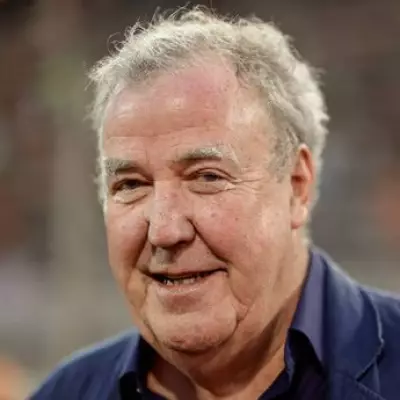
BBC Breakfast presenter Jon Kay opened Monday's programme with a sombre report on a catastrophic rail disaster in southern Spain that has claimed dozens of lives.
A Nation in Mourning After Catastrophic Collision
At least 40 people have been killed and dozens more injured after two high-speed trains collided near the city of Cordoba on Sunday evening. The Spanish government has declared three days of national mourning following what is being described as the country's worst rail disaster in over a decade.
The tragic incident occurred at approximately 7:45 pm local time on 19 January 2026. One train, travelling from Malaga to Madrid, derailed on a straight section of track and crossed onto the opposite line. It then collided with an oncoming service travelling from south Madrid to Huelva, forcing the second train into an embankment.

Investigation Focuses on 'Extremely Strange' Circumstances
Speaking live on BBC Breakfast, Jon Kay handed over to correspondent Guy Hedgecoe, who was reporting near the scene. Hedgecoe detailed the ongoing investigation, noting the peculiar nature of the crash on a straight stretch of line.
"Investigators are believed to be looking very closely at the train itself that derailed but also at the stretch of track," Hedgecoe reported. Spanish Transport Minister Oscar Puente has labelled the crash "extremely strange," adding that railway experts are "extremely baffled." Early indications suggest the crash was not caused by human error.
Minister Puente confirmed that the majority of fatalities were in the front carriages of the Huelva-bound train. With around 400 passengers and staff across both services, authorities fear the death toll may still rise as rescue workers continue to sift through the wreckage for bodies.
Eyewitness Accounts and Royal Response
Passenger accounts paint a harrowing picture of the moment of impact. One traveller on the Madrid-bound train told the BBC it felt like an "earthquake," shattering windows and throwing people to the floor. Journalist Salvador Jimenez, who was in the first carriage, described scenes of panic with people screaming for doctors.
In response to the tragedy, King Felipe and Queen Letizia of Spain are due to visit the area to meet with local residents and relatives of the victims. The nation now enters a period of collective grief as the complex investigation into the cause of this devastating accident begins.