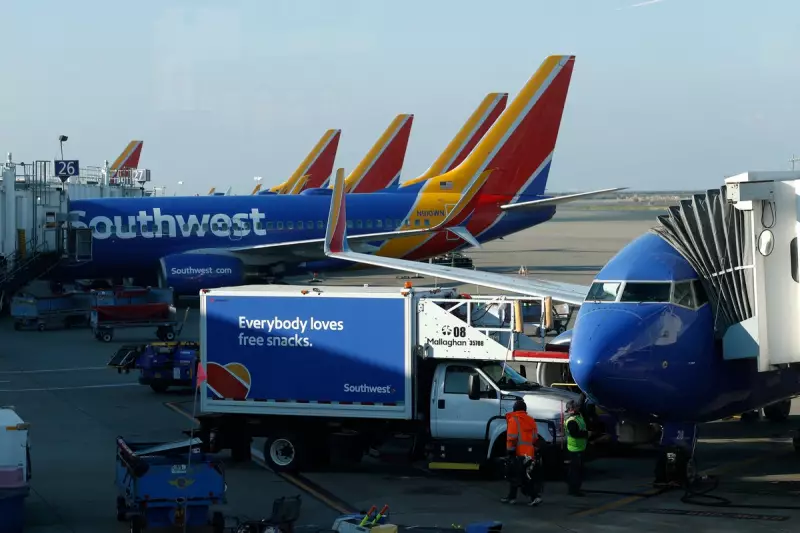
Southwest Airlines has officially brought the curtain down on its iconic open seating policy, marking the end of a nearly 60-year era in commercial aviation. The historic change was sealed as the final flight to operate under the traditional model departed from Honolulu on Monday night, arriving in Los Angeles after an overnight journey.
A Nostalgic Farewell to a Pioneering Policy
The last flight to utilise the open seating system was a poignant affair, taking place aboard the Herbert D. Kelleher aircraft. This Boeing 737-8 MAX was adorned in a special "Desert Gold" livery, a deliberate nod to the airline's original colours from its launch year of 1967. The choice of aircraft and its distinctive paint scheme served as a fitting tribute to Southwest's storied history and its founder's legacy.
Customer Research Drives Major Operational Shift
The decision to transition from open seating to an assigned seating model was not taken lightly. It follows extensive customer research conducted by the airline, which revealed a clear preference among travellers. According to Southwest's findings, a significant 80% of passengers expressed a desire for a specific, pre-assigned seat when flying.

This data-driven move is designed to broaden the airline's appeal in a highly competitive market. By aligning its boarding process with other major carriers, Southwest aims to attract a wider customer base who are accustomed to selecting their seats in advance.
Implications for Passengers and Future Operations
While the shift is expected to satisfy the majority of flyers, it may have particular implications for a specific group of passengers. Those who previously benefited from Southwest's unique policy by requesting a free extra seat for comfort or medical reasons may find the new system less flexible.
The airline has indicated that this strategic change is part of a broader effort to modernise its services and enhance the overall customer experience. As the aviation industry continues to evolve, Southwest's move signals a significant departure from one of its most defining and beloved operational features.