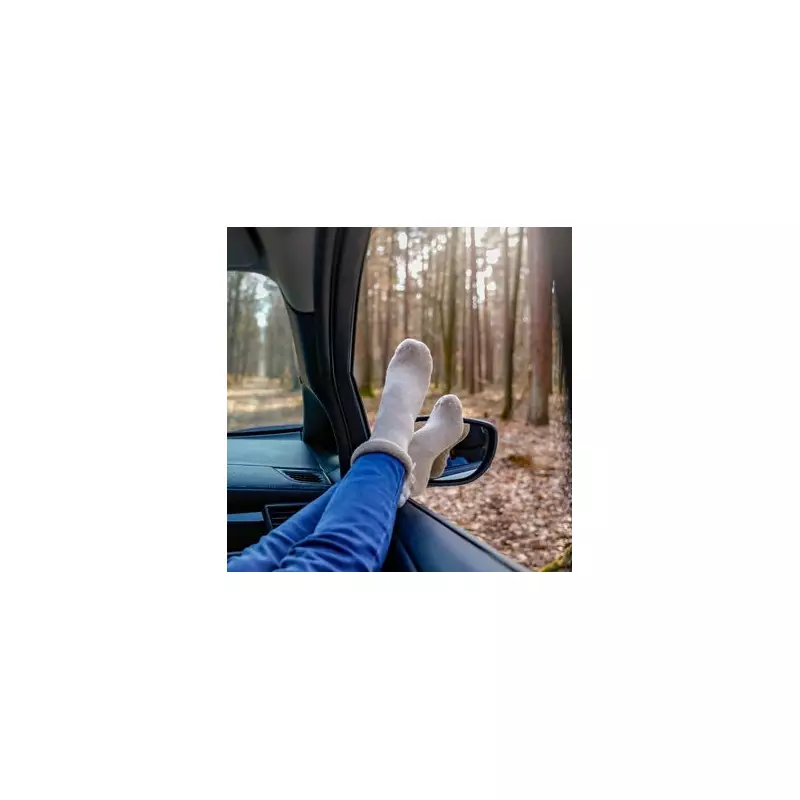
As Britain shivers through a severe cold snap, a motoring professional has offered a surprisingly simple and cost-effective solution to a common winter problem: preventing ice on car wing mirrors. The hack requires nothing more than a pair of old socks.
The Simple Sock Solution to Icy Mirrors
Ben Welham, a motoring expert at Cinch, advocates wrapping your car's wing mirrors in socks overnight to stop ice from forming. "Using your socks may get some strange looks from your neighbours, but it's effective," Welham stated. He explained that this simple act can save valuable minutes on frosty mornings, though he cautioned drivers to remember to remove the socks before setting off.
The advice comes as the UK grapples with a prolonged period of freezing weather. The Met Office has issued an amber warning for snow, with chief forecaster Neil Armstrong warning that the cold spell is set to continue. "With Arctic air now covering most of the UK very cold weather will continue through the weekend, with minus double figures overnight in places," Armstrong said in a statement.

De-Icing Methods to Avoid
While endorsing the sock method, Welham strongly advised against another popular internet trend: using a potato to de-ice windscreens. He warned that this technique, which has gained traction on platforms like TikTok, creates more problems than it solves. "This TikTok trend might look clever, but you'll end up with a gunky mess across your windscreen that's harder to shift than the frost itself," he cautioned.
Looking ahead, forecasters have indicated that further snowfall is likely to hit central and northern regions throughout January, meaning motorists will need to be prepared for challenging conditions for some time.
Alternative Solutions for Winter Woes
For drivers battling persistent condensation inside their vehicles, experts have suggested a homemade remedy. Specialists at Cardiff Window Cleaner Ltd recommended a mixture of two cups of water, two cups of white vinegar, and a few drops of dishwashing soap.
They advised spraying this solution directly onto the interior glass. The white vinegar creates a protective barrier, while the soap breaks down the surface tension of water droplets, preventing them from sticking. This creates a thin, self-drying layer that helps keep windows clear.
As the Met Office emphasises the need for the public to stay updated with forecasts and plan ahead, these simple hacks could prove invaluable for drivers navigating the UK's frosty start to the new year.