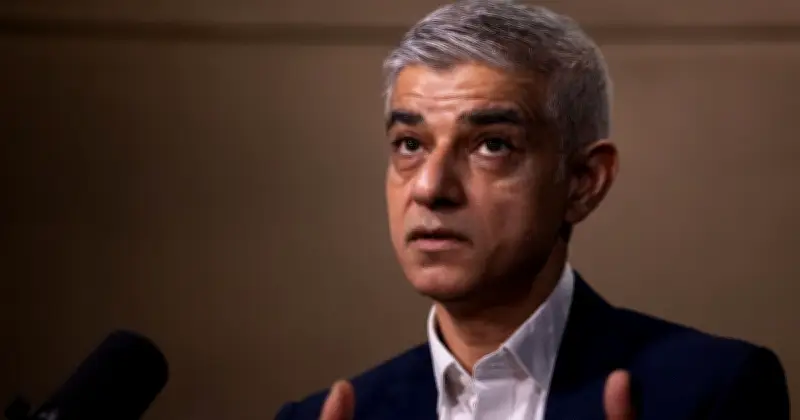
Sadiq Khan's proposal to ban vehicles from Oxford Street, one of London's busiest shopping thoroughfares, has ignited fierce opposition from drivers, residents, and business groups. The Mayor of London's plan aims to create a car-free zone by the end of summer 2026, but critics argue it will simply shift traffic chaos onto neighbouring streets.
Traffic Displacement Concerns
The Better Oxford Street campaign group, a pressure organisation opposing the plans, has highlighted the inevitable consequences. Closing Oxford Street to cars, buses, and taxis will force these vehicles onto alternative routes through the surrounding grid, creating gridlock in the West End. The United Cabbies Group has also voiced strong objections, warning that the surrounding streets “already have significant volumes of motor traffic.”
The Fitzrovia Campaign, another local group, has expressed frustration, stating that diverting Oxford Street traffic would be “unfair” on residents and worsen the environment for walking and cycling. The groups argue that the displacement will lead to increased congestion, pollution, and noise in areas not designed to handle such volumes.
Logistical Nightmare for Deliveries
A key flaw in the plan, according to critics, is the lack of provision for delivery vehicles. Thousands of vans and HGVs supply the shops along Oxford Street daily. Under the pedestrianisation scheme, these vehicles would be forced onto backroads, causing further disruption. The Mayor's own consultation brochure acknowledges the problem, stating that “it is accepted that removing through traffic (including buses and taxis) is likely to lead to some further traffic displacement.” It even suggests that “traffic signal changes” may be needed on local streets to manage the overflow.
Mayor's Vision vs. Reality
Khan has defended the plan, claiming it will make Oxford Street “enjoyable for everyone.” However, opponents question whether the Mayor understands the practical implications. Luke Chillingsworth, a cars reporter, described the plan as “crazy and destined to backfire,” adding that it “will create absolute madness.” The consultation document reveals that officials are aware of the potential for disruption, but critics say the measures proposed are insufficient.
Residents and business owners in surrounding areas fear they will bear the brunt of the traffic chaos. The United Cabbies Group has tried to halt the plans, but the Mayor appears determined to proceed. If implemented, Oxford Street could be car-free by the end of summer 2026, but the fallout may be felt across central London for years to come.