

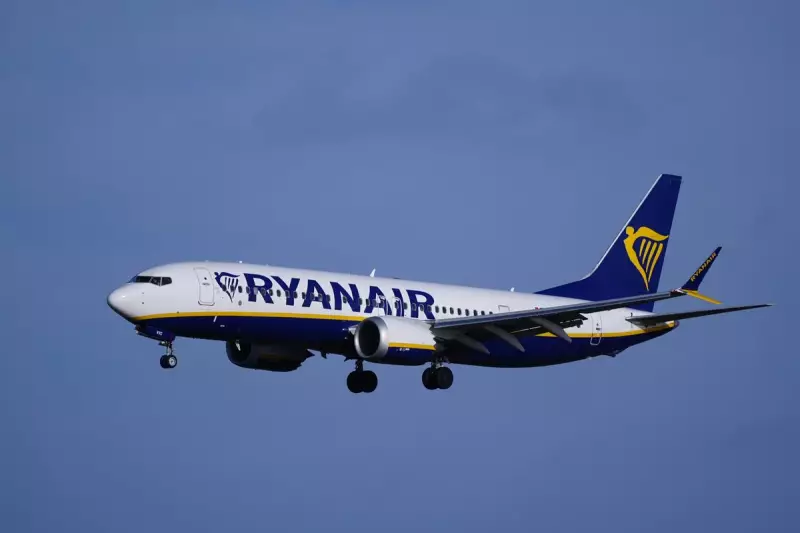
Budget airline giant Ryanair has made a firm decision against equipping its fleet with Elon Musk's Starlink satellite internet service. The carrier cited significant concerns over increased operational costs and a perceived lack of customer interest for its typically short-haul routes.
Fuel Penalty and Passenger Demand Drive Decision
Ryanair's chief executive, Michael O'Leary, publicly outlined the rationale behind the move on Friday 16 January 2026. He stated that installing the necessary Starlink antennas would lead to a "2 per cent fuel penalty" on their aircraft. This penalty stems from the combined effects of added weight and increased aerodynamic drag.
O'Leary argued that this cost is difficult to justify given the nature of Ryanair's business model. He believes passengers on the airline's average one-hour flights are simply not willing to pay extra for in-flight Wi-Fi connectivity. For a carrier built on low fares, the investment is therefore seen as commercially unviable.

Ryanair Bucks a Growing Industry Trend
This stance sets Ryanair apart from a growing list of rival carriers that are embracing the new technology. Several major airlines, including Lufthansa, British Airways, Qatar Airways, and United Airlines, are either adopting or have plans to adopt Starlink's satellite internet service. Notably, many of these competitors often provide the connectivity as a complimentary amenity to enhance the passenger experience.
The decision underscores Ryanair's relentless focus on its core brand pillars. An industry expert suggested that the airline's business model prioritises low price, punctuality, and safety above ancillary in-flight amenities like Wi-Fi.
Dispute Over Technical Claims
Not everyone agrees with Ryanair's assessment of the technology's impact. Officials from SpaceX, the company behind Starlink, have reportedly disputed the airline's claims regarding the scale of the fuel penalty. This disagreement highlights the complex calculations involved in integrating new technology into aircraft operations, where even minor changes can have substantial financial implications over thousands of flights.
For now, Ryanair passengers will have to continue without onboard Wi-Fi. The airline's calculation is clear: on short European hops, the cost of providing the service outweighs any potential revenue or customer satisfaction benefits, keeping its fares as low as possible.






