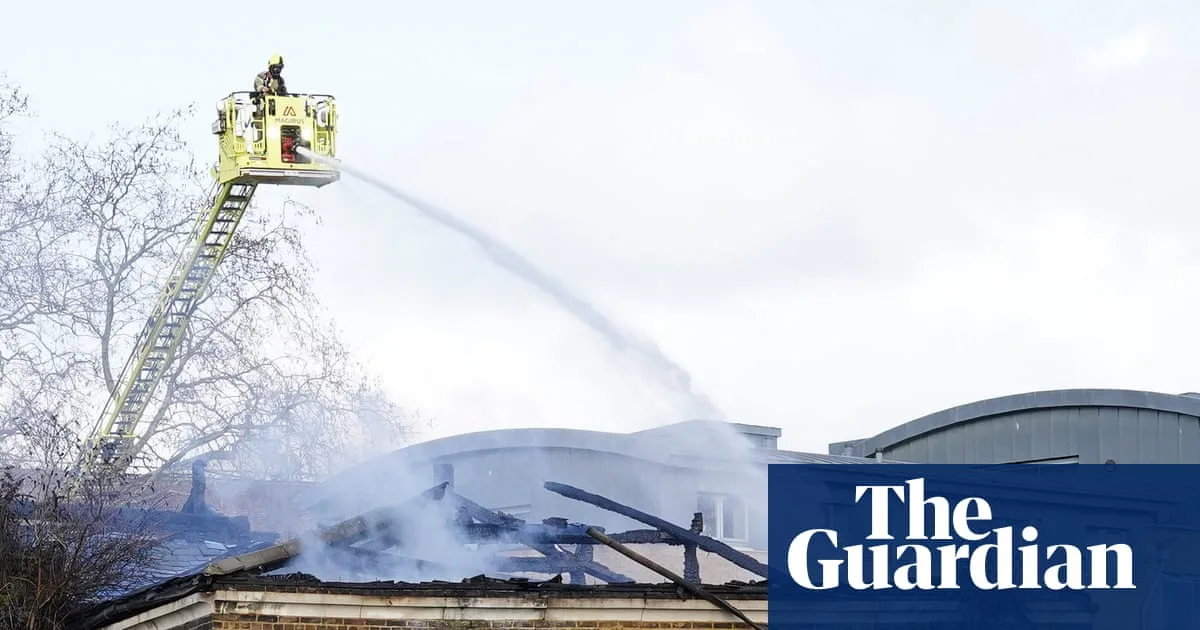
Train services on Britain's main intercity rail line are running normally again after being disrupted for much of Friday due to a fire close to the tracks in north London. The blaze occurred in Primrose Hill, Camden, affecting trains to and from London Euston serving Manchester, Liverpool, and Glasgow.
Disruption spread up and down the West Coast Mainline, with some incoming trains held up as far back as Birmingham and Warrington. Avanti West Coast and London Northwestern trains were worst affected, but the fire also impacted London Overground and limited Southern services to Watford Junction.
Passengers travelling north via other routes were diverted to King's Cross St Pancras and allowed to travel on LNER. Train operators stated that passengers due to travel on Friday could use their tickets on Saturday instead. Services resumed normal operation out of London by 4pm, though some residual disruption remained due to earlier cancellations and delays.
The London Fire Brigade reported the fire at 9.31am on Friday, sending 10 fire engines and about 70 firefighters to Regent's Park Road. The fire destroyed a single-storey commercial building and most of a neighbouring property. No injuries were reported, and the cause is under investigation.
Witness William Selas, 40, described seeing a lot of fire and smoke from his bedroom window, expressing hope that evacuation would not be necessary.