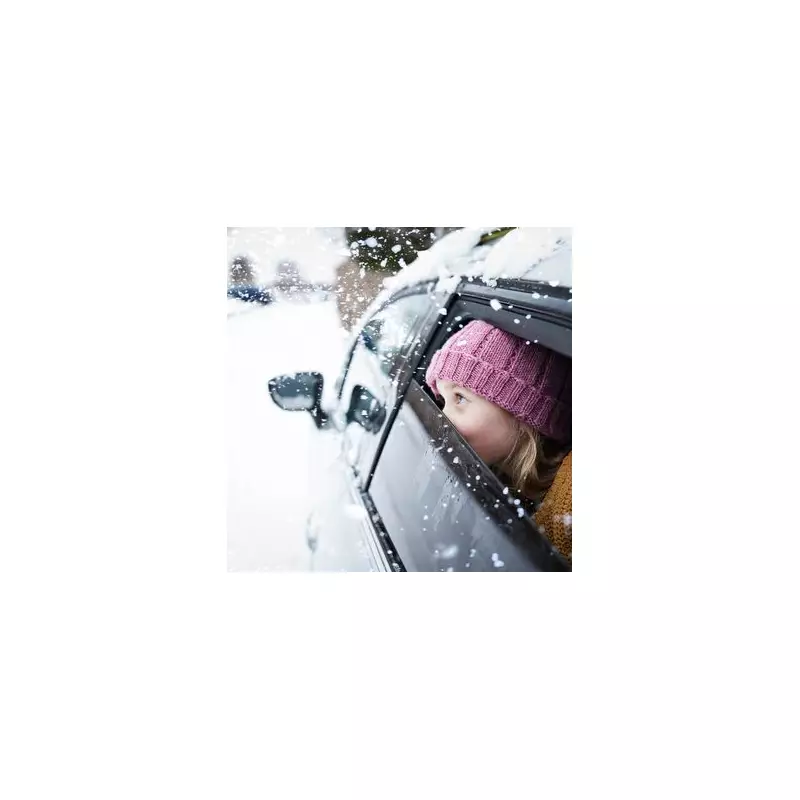
The RAC has issued an urgent safety warning to all motorists across the United Kingdom this week, as a fresh wave of snow and ice continues to create treacherous conditions on the nation's roads.
The Essential Winter Survival Kit
With the severe weather making journeys hazardous and increasing the risk of collisions and breakdowns, the motoring organisation is stressing the critical importance of being properly prepared. The RAC advises drivers to equip their vehicles with 16 key items to handle any winter emergency.
This essential kit is designed to keep you safe, warm, and visible if you become stranded. The list includes practical tools like a demisting pad, a wind-up torch that doesn't rely on batteries, and a hi-visibility vest to ensure you are seen during a breakdown. For warmth, a blanket is considered vital.

Provisions are also crucial. The RAC suggests keeping food and drink in the car, alongside winter-specific supplies such as screenwash, de-icer, an ice scraper, a shovel, and a warning triangle to alert other road users.
Don't Rely Solely on Technology
In an age of digital navigation, the RAC highlights the importance of old-school backups. Drivers should pack a physical map and a phone charger. The most critical item, however, is a fully charged mobile phone with your breakdown provider's number saved. This ensures you can always call for help, even if you lose GPS signal or your car battery dies.
Additional recommended items to complete the kit are a first aid kit, a set of jump leads for a flat battery, and a square of carpet or sturdy mat that can be placed under tyres to gain traction if you get stuck in snow.
Expert Driving Techniques for Snow and Ice
Beyond preparation, how you drive is paramount. The RAC provides clear guidance for navigating icy roads safely. Experts advise using gentle acceleration, keeping revs low, and moving into a higher gear as soon as possible to minimise wheel spin. Starting in second gear can be effective to reduce initial slip.
It is also vital to leave a much larger gap between you and the vehicle in front – up to ten times the normal recommended distance. When descending hills, use a low gear and avoid braking unless it is absolutely necessary. If you need to brake before a bend, do so before you start turning the steering wheel.
How to Handle a Skid
If your car does lose grip, the key is not to panic. Take your foot off the accelerator and steer gently in the direction you want the front of the car to go. For example, if the rear slides to the right, you should steer to the right. Do not snatch at the brakes or take your hands off the steering wheel.
Before any winter journey, the RAC also urges motorists to plan their route, allow extra travel time, and ensure all windows, mirrors, lights, and the vehicle's roof are completely clear of snow and ice before setting off.