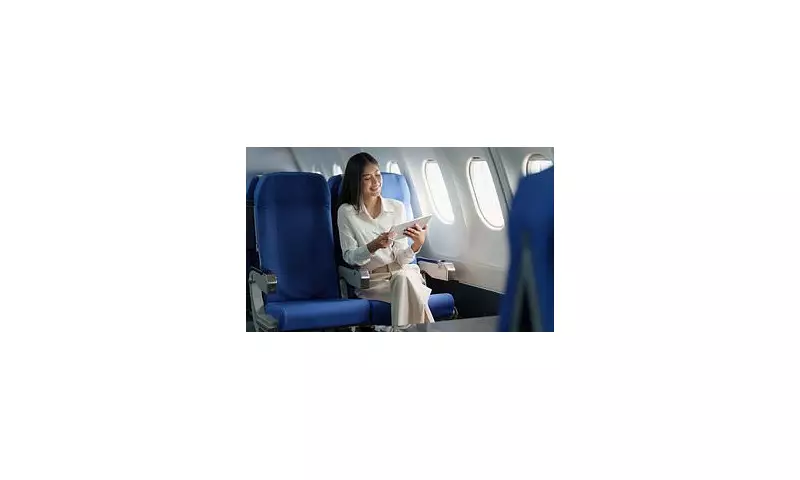
Have you ever settled into your airplane seat and wondered why the colour scheme so often features shades of blue? The choice is far from random. Aviation giants like Boeing and leading cabin designers employ sophisticated colour psychology, meticulously crafting aircraft interiors to influence passenger mood and perception.
The Calming Power of Blue and Green
Boeing, a manufacturer responsible for over 14,000 aircraft globally and hundreds of new planes each year, has openly discussed the reasoning. The company highlights that blues and greens are deliberately chosen for their strong associations with peace and tranquillity. Furthermore, shades of blue and purple can carry connotations of nobility and reliability.
This strategic thinking is shared across the industry. Rishi Kapoor, CEO of Nanak Flights, emphasised to Reader's Digest that blue is selected for its calming properties. "Even though travelling by plane is statistically the safest way to travel, many passengers are still prone to stress while travelling on an airplane," he explained. "It might seem like an insignificant detail, but it's one that helps make flying the best way to travel."

Shades, Space, and Sensory Perception
Aviation designer Nigel Goode provided further insight to The Telegraph, noting how different airlines use the colour. "While some of the more budget airlines might use brasher, bolder shades, most others go with muted tones," he said. The universal goal is to craft a relaxing, almost domestic atmosphere, leading carriers to select muted, natural, and earthy colours.
Goode also traced the historical precedent. "Blue became the colour of choice because it’s a conservative, non-contentious, corporate shade that symbolises being trustworthy and safe, so you see it used in all of the older airlines like British Airways." The specific shade has a practical impact too: lighter colours can make a cabin feel more spacious and airy, while darker tones might create a sense of intimacy or narrowness.
Beyond Colour: Influencing Temperature and Smell
The psychological impact of cabin colours extends beyond mere calmness. Virginia Tripp, a designer for Teague, previously informed Boeing that colours also can influence a person's perception of humidity, temperature and aroma.
For instance, blue tones can evoke a fresh or clean sensation, while blue and green together might make passengers feel cooler. In contrast, warmer hues like orange could impart a sense of warmth, and pink might subliminally suggest a sweet fragrance. This multi-sensory approach ensures every detail, inside and out, is considered to enhance the passenger experience.
Ultimately, the ubiquitous blue airplane seat is a testament to decades of design research. It’s a conscious effort by manufacturers like Boeing and airlines worldwide to harness colour psychology, transforming the cabin into a more serene and trustworthy environment from the moment travellers step on board.