For four decades, a unique cultural project has been brightening the daily commute for millions of Londoners. Poems on the Underground is celebrating its 40th anniversary, marking a milestone for one of the capital's most cherished and accessible public art initiatives.
From a Simple Idea to a Global Phenomenon
The scheme was conceived in 1986 by American writer Judith Chernaik, then a London resident. Inspired by a scene in Shakespeare's As You Like It, where love-struck Orlando hangs sonnets on trees, she envisioned scattering poetry across the Tube's network. Her simple idea took root and flourished, spreading from London to cities worldwide.
Initiatives like Poetry in Motion launched in New York in 1992, and today, poems adorn public transport in Dublin, Paris, Beijing, Shanghai, Warsaw, and Moscow. Now 91, Chernaik remains the editor, working alongside poets Imtiaz Dharker and George Szirtes. The panel selects six poems three times a year, spanning centuries and continents.

A Cultural Fixture in the Commuter Labyrinth
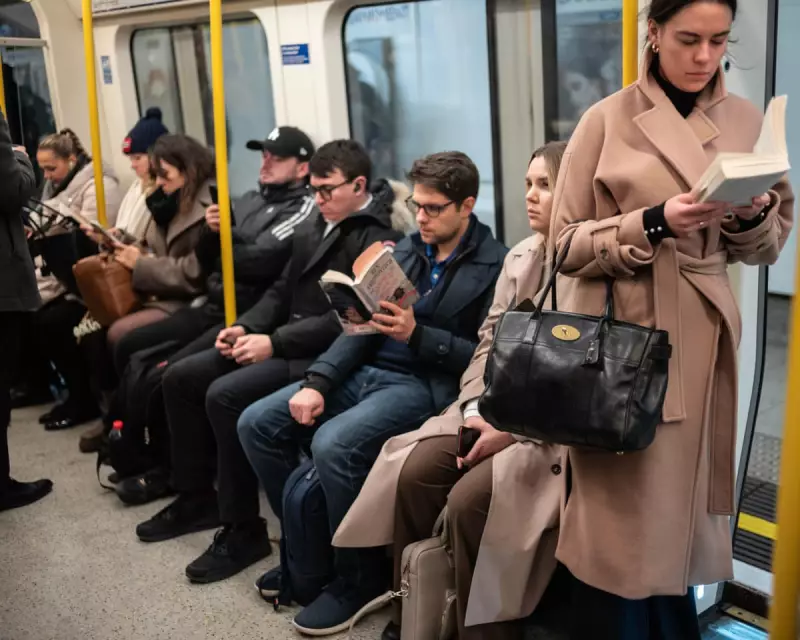
The Tube is a peculiar space of intense physical proximity and determined anonymity. Commuters sit in rows or cling to straps, often buried in phones, closer to strangers than at almost any other point in their day. Into this commercial environment, the poems arrive without trying to sell anything. They are a gift of language and reflection, reaching millions free of charge.
The project has not been without controversy. An anonymous 15th-century poem, I Have a Gentil Cock, ruffled feathers in 1990, and there were calls to ban Jo Shapcott's Quark in 1999 for its use of the word "bollocks". Yet, the scheme's popularity proved unstoppable. During the pandemic lockdowns, a dedicated website ensured poetry lovers could still get their fix, and new poems welcomed commuters upon their return.
A Legacy of Art Underground
Poems on the Underground sits within a long tradition of art and design on London's transport network. This heritage ranges from early Edwardian posters and works by Paul Nash and Man Ray in the 1930s to Harry Beck's iconic map and David Gentleman's 1979 mural at Charing Cross station. The poetry continues this mission of bringing humanity and imagination into the subterranean world of civil engineering.
In 2024, the project's legacy was further cemented with the establishment of a permanent archive at Cambridge University. It stands as a significant part of the UK's cultural landscape, akin to the Fourth Plinth in Trafalgar Square or the Angel of the North. The sustained support from Transport for London, the Arts Council, and the British Council has been crucial to its four decades of success.
As the late poet Seamus Heaney noted in a card to Judith Chernaik in 1999, the project has contributed "to the life-worth of poetry for many people". In the rush hour crush, amidst the screech of brakes and the glare of adverts, these carefully chosen verses offer a momentary escape—a tiny, vital light in the dark tunnel of the daily grind.