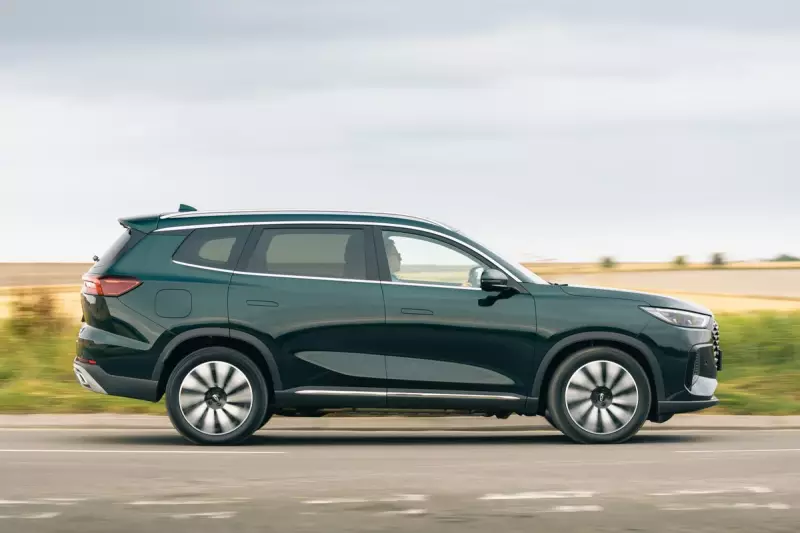
Reports of diesel's imminent demise on British roads are premature, but the fuel's dominance is unquestionably waning in the face of a powerful surge from plug-in hybrid and electric vehicles. This is the view of Steve Fowler, electric vehicle editor, who in the latest DriveSmart newsletter dissects the latest sales figures and market trends reshaping the UK's automotive landscape.
The 2025 Sales Picture: A Stark Contrast
Official registration data for 2025 paints a clear picture of changing driver preferences. Diesel was the least popular fuel type, with just 103,906 new diesel cars registered last year. This represents a significant year-on-year decline of 16.6%. In stark contrast, the market for fully electric cars grew robustly, with sales rising 23.9% to 473,348 units.
However, the standout story of the year was the remarkable performance of plug-in hybrids (PHEVs). Sales in this category jumped by an impressive 34.7%, reaching 225,143 registrations. While a substantial number of new diesel cars still join the national fleet annually, the momentum is firmly with newer technologies.

Why Drivers Are Switching: Beyond the Fuel Pump
The shift away from diesel is driven by more than just fears over future fuel availability. Soaring costs at the pump are a major factor, with motorway prices seen as high as £1.67 per litre, against a UK average of £1.41. Furthermore, consumers are increasingly weighing environmental concerns, long-term running costs, and perceptions of reliability against the benefits of electric powertrains.
Diesel's traditional trump card has been exceptional range, often exceeding 600 miles on a single tank. Yet, as Fowler notes from recent experience, modern plug-in hybrids are now capable of matching this. Models like the Volkswagen Golf eHybrid claim a combined petrol and electric range of up to 620 miles.
The New Contenders: From BYD to Range Rover
The market is being energised by a wave of sophisticated new models, particularly from Chinese brands which term them "new energy vehicles". These include the compact BYD Atto 2 DMi and the Chery Tiggo 8, which are tempting buyers away from conventional diesels. The technology is advancing rapidly, with newer entrants like the BYD Seal 6 DMi boasting a claimed combined range of up to 935 miles.
Fully electric vehicles are also pushing boundaries on range anxiety. BMW's new iX3 promises up to 500 miles on a charge, while the latest Mercedes CLA offers 484 miles. The charging infrastructure is keeping pace, transforming long-distance EV travel. Fowler reports adding over 100 miles of range to a Hyundai Ioniq 9 in the time it took to purchase a coffee and a snack, thanks to the UK's expanding network of fast chargers.
Some London fuel stations have already removed their petrol and diesel pumps entirely, replacing them with EV charging points, signalling a tangible change in the urban landscape.
While the existing fleet of diesel cars will remain on UK roads for years to come, and new ones will continue to be sold in the short term, the direction of travel is unmistakable. The alternatives offered by plug-in hybrids and pure electric vehicles are becoming more compelling with every new model launch, and this trend shows no sign of reversing.