Pilots Fear Job Loss Over Refusing Risky Middle East Flights Despite Ceasefire
Pilots Fear Job Loss Over Refusing Risky Middle East Flights

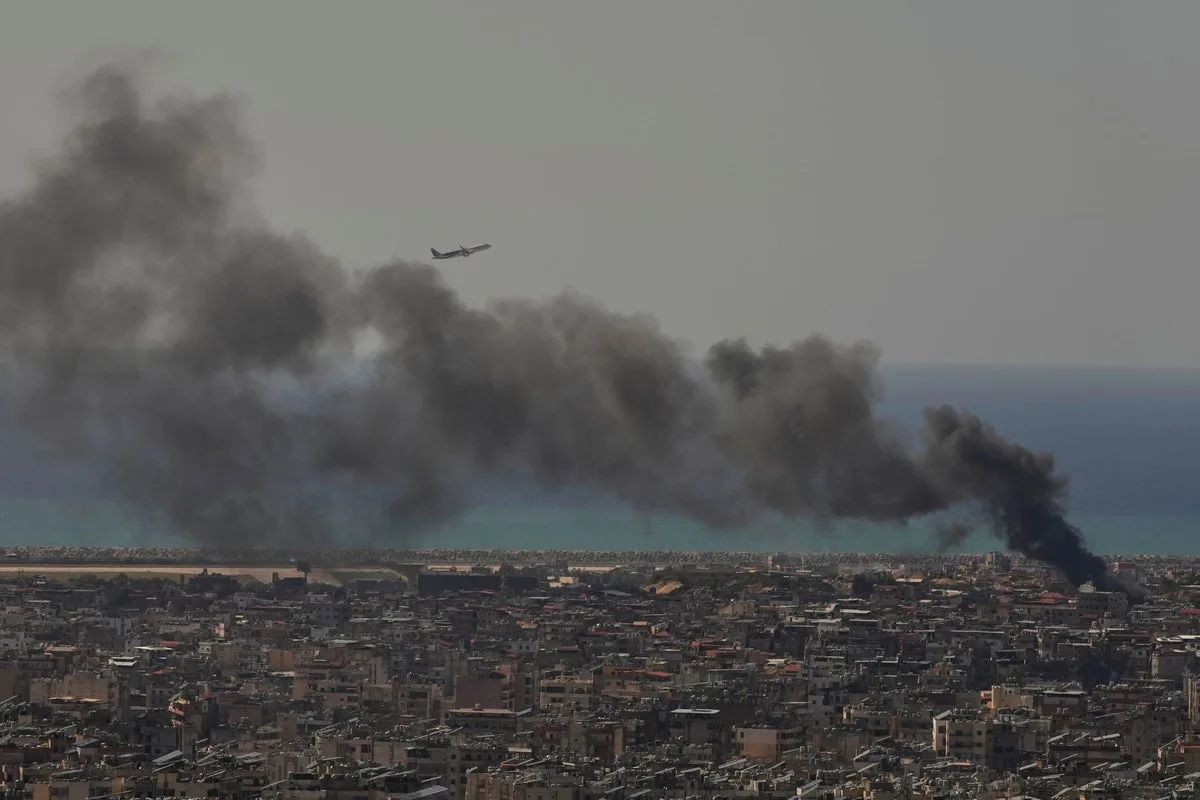
Despite a two-week ceasefire agreement in the Middle East, travel and airspace across the region remain highly unpredictable, creating significant challenges for aviation professionals. Pilots from various nations have voiced serious apprehensions about the potential consequences of refusing to operate flights through this volatile area.

Widespread Concerns Over Retribution and Safety Culture

Ron Hay, the head of the International Federation of Air Line Pilots' Associations (IFALPA), has disclosed that pilots from Lebanon, India, and other countries are experiencing 'widespread' worries regarding this issue. The Middle Eastern airspace is currently unstable and can be closed with minimal notice due to air strikes or missile activity, heightening risks for flight crews.

'There is an underlying fear of retribution,' Hay stated, highlighting the tangible anxieties among pilots. These concerns range from not receiving payment for declined trips to the possibility of termination. Hay elaborated, 'They may not lose their job but they [managers] may say, "Don't fly the trip and you don't get paid for it."'

Wide Pickt banner — collaborative shopping lists app for Telegram, phone mockup with grocery list

Longstanding Issues with Safety Reporting

According to Hay, promoting a 'positive safety culture where pilots were encouraged to speak up' has been problematic in regions like the Middle East 'for quite some time.' The ongoing conflict has only 'exacerbated' these pre-existing issues, making it increasingly difficult for pilots to voice safety concerns without fear of repercussions.

When approached for comments on the situation, Gulf-based pilots uniformly either declined to respond or did not reply, underscoring the sensitive nature of the topic. IFALPA, representing over 160,000 pilots across more than 70 countries through its member associations, has not specified which particular airlines are involved in these incidents.

IFALPA Advocates for Pilot Autonomy and Support

Earlier this week, IFALPA issued a strong recommendation that pilots should be granted the 'final and non-negotiable' authority to decide whether to fly in or near war zones. The association's report argues that such operations 'need to be considered exceptional circumstances.'

IFALPA defines 'exceptional circumstances' as 'unusual, unforeseeable, and unavoidable situations beyond an operator's control that justify deviations from normal operating standards, temporary restrictions on airspace, or the granting of regulatory exemption.' This classification is intended to provide a framework for handling high-risk flights.

Addressing Mental Strain and Duty of Care

The association has also called on airlines to 'recognise the mental and emotional strain that conflict zone operations can impose on pilots.' The report emphasises that a pilot's decision should not be 'influenced by financial or other incentives, career repercussions or other penalties, or commercial pressures.'

Affected airlines are urged to incorporate 'these provisions in their safety/security policy' and ensure clear internal communication. Furthermore, IFALPA explains the necessity of a duty of care to help 'anticipate and mitigate the psychological impact of these operations on aircrew,' advocating for comprehensive support systems.

Operational Adjustments by Airlines

In response to the heightened risks, many airlines have proactively cancelled routes traversing the Middle East, while others have significantly reduced their operations in the area. These adjustments reflect the broader industry's recognition of the dangers posed by the unstable airspace, even amidst temporary ceasefire agreements.

The situation underscores a critical tension between commercial aviation demands and pilot safety, with ongoing conflicts amplifying concerns over job security and professional well-being in the cockpit.

Pickt after-article banner — collaborative shopping lists app with family illustration




