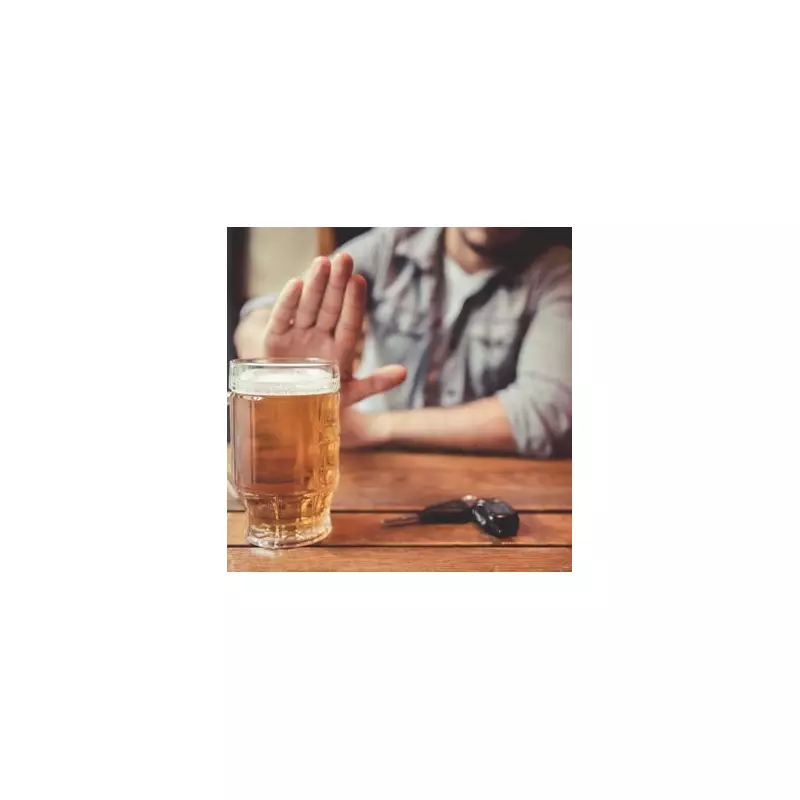
The UK government is facing a significant backlash from the pub industry over controversial plans to drastically lower the legal drink-drive limit in England and Wales. The proposed change would see the limit reduced from 35 micrograms of alcohol per 100 millilitres of breath to just 22 micrograms.
Aligning with Scotland and Saving Lives
This major shift is part of a sweeping new road safety strategy. The new limit of 22 micrograms would bring England and Wales in line with Scotland, which implemented the stricter rule back in 2014. Currently, the limit in England and Wales is the highest in Europe, shared only with Malta.
Transport Minister Ms Greenwood defended the policy, stating a clear message: "If you're going to drive, don't have a drink. If you want to have a drink, leave your car at home." She emphasised the human cost, revealing she had met with numerous grieving families. "Last year, 260 people were killed as a result of drink driving. That's unacceptable," she told Sky News.

The Impact of a Single Pint
The practical effect of the new limit would be severe for drivers. For many people, depending on factors like weight, age, and sex, consuming just a single pint of beer could push them over the new legal threshold.
This prospect has alarmed representatives of rural pubs in particular, who fear the change could devastate trade. The British Beer and Pub Association (BBPA) warned the sector "continues to face huge challenges" and that extra measures impacting trade would cause "real concern to licensees, especially those in rural areas."
Reform UK leader Nigel Farage was more blunt, calling the plan a "death knell for country pubs across Britain."
Evidence from Scotland and Wider Road Safety Measures
Ministers, however, point to evidence from Scotland to counter the economic fears. Ms Greenwood cited studies from the University of Stirling and the University of Bath which indicated the 2014 reduction "didn’t have a significant impact on the pub trade" there.
The proposed road safety strategy, described as the biggest in decades, includes other stringent measures. These could see convicted drink-drivers forced to have 'alcolocks' fitted to their vehicles—breathalyser devices that prevent the car from starting if alcohol is detected. New powers are also proposed to suspend the licences of those suspected of drink or drug-driving.
The push for change comes against a worrying backdrop on UK roads. While fatalities fell sharply between 2000 and 2010, numbers have since plateaued. In 2024, 1,633 people were killed and almost 28,000 were seriously injured. Drink-driving deaths have risen over the past decade, hitting a 13-year high in 2022. In 2023, one in six road fatalities involved a driver over the limit.