







Entertainment

Katie Price Returns to UK from Dubai Despite Missile Strike Claims
Katie Price arrived at Gatwick Airport on Saturday from Dubai, denying claims she was trapped due to missile strikes. She sported a casual look with a crop top and joggers.





Politics

Real-Life Deaf FBI Agent Inspires Returning Crime Drama After 20 Years
Sue Thomas: F.B. Eye, inspired by a deaf FBI agent's extraordinary lip-reading skills, returns to UK TV on Great Mystery channel after more than two decades.



Sports

Sunderland vs Man Utd: TV Channel, Live Stream, Kick-Off Time
Sunderland host Manchester United at the Stadium of Light. Match not on UK TV due to 3pm blackout. Live on Peacock in US. Radio on BBC 5 Live.



Crime

Stolen Tractor Rams Into Middlesbrough Home in Deliberate Attack
A stolen tractor smashed into a Middlesbrough home in what police treat as a deliberate attack. No injuries reported, investigation ongoing.






Health




Weather
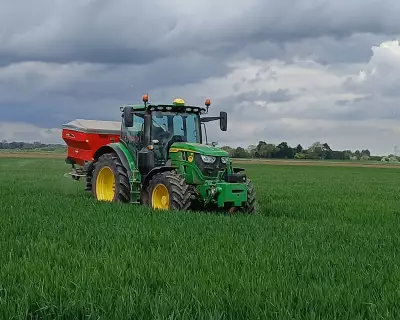
A Terrible Time for a Tractor Breakdown in Lincolnshire
A farmer in Brigg, Lincolnshire, faces a tractor breakdown at the worst possible time, disrupting birdfood sowing and a school visit, but the day ends with a positive outcome.
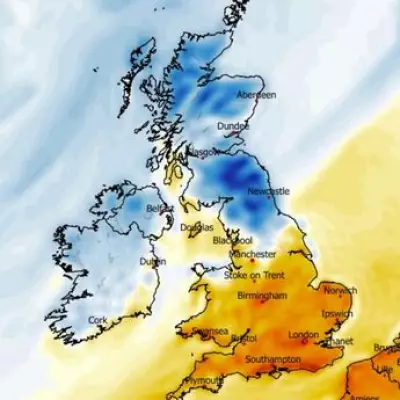
Met Office: 22C Saturday, 40 counties see above-average heat
The Met Office predicts temperatures up to 22C on Saturday, with 40 counties in England and Wales experiencing above-average heat. A north-south divide is expected.
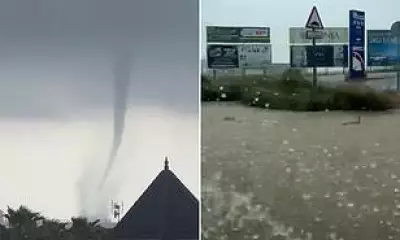
Freak Storms and Waterspouts Batter Southern Spain
Southern Spain hit by flash floods and waterspouts as severe weather batters holiday hotspots. Residents stunned by marine tornadoes off La Manga.
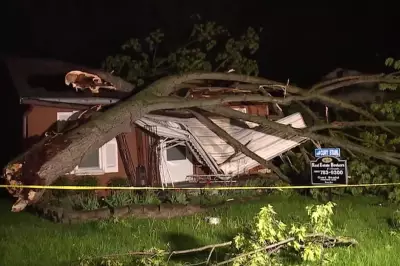
Michigan Home Crushed by Tree Day After Sale
A house in St Clair Shores, Michigan, was severely damaged by a falling tree during a storm, just one day after being sold. The seller is expected to cover repairs.
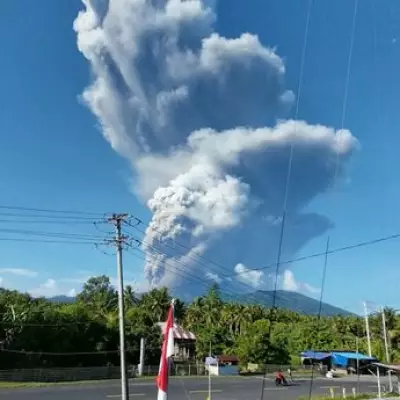
Mount Dukono Eruption Kills Three, 20 Missing
Mount Dukono volcano in Indonesia erupted, spewing ash 10km high, killing three hikers and leaving 20 missing as search efforts continue.
UK Geography Weekend Special
Weekend special: 100 questions about UK geography. Perfect for students preparing for exams or anyone who loves learning about Britain's diverse landscapes.
