Federal Mandate Forces O'Hare to Reduce Summer Flight Schedule by 300 Daily
In a decisive move to tackle persistent travel disruptions, federal authorities have directed Chicago O'Hare International Airport to cut around 300 flights per day throughout the upcoming summer season. This intervention aims to curb the extensive delays and cancellations that have plagued the nation's busiest airport by flight volume.
Unrealistic Schedules and Capacity Constraints
O'Hare had scheduled more than 3,080 flights on peak summer days in 2026, representing a substantial 15 percent increase from the previous year. However, this ambitious expansion came despite a troubling performance record, with fewer than 60 percent of last summer's arrivals and departures operating on time.
To prevent a significant escalation in traffic congestion, the Department of Transportation will now enforce a daily operations limit of 2,708 flights between May 17 and October 24. This reduction represents approximately a 10 percent cut from the originally planned schedule.
"If you book a ticket, we want you and your family to have the certainty that you'll fly without endless delays and cancellations," Transportation Secretary Sean Duffy emphasized in an official statement released on Thursday.Learning from Past Successes
Secretary Duffy pointed to previous regulatory successes as justification for the current intervention at O'Hare. "We successfully turned Newark Liberty International into the most on-time airport in the Tri-State Area by fixing telecoms issues at record speed and reducing overcapacity," he explained.
"Applying that same strategy at O'Hare – where unrealistic schedules were set to dramatically exceed what they could handle – will reduce delays and make this busy summer travel season a little easier."
Underlying Systemic Challenges
The newly announced flight reductions respond to multiple operational challenges facing O'Hare and the broader aviation industry:
- Air traffic controllers are currently managing taxiway closures and limited gate capacity
- The industry continues to grapple with a persistent shortage of qualified air traffic controllers
- Over the past decade, controller numbers have declined by approximately 6 percent while flight volumes have increased by 10 percent
"Our number one priority is the safety of the flying public, and that means ensuring airline schedules reflect what the system can safely handle," FAA Administrator Bryan Bedford stated in support of the decision.
Passenger Anxiety and Industry Response
A recent survey identified O'Hare as the most anxiety-inducing airport in the United States, awarding it a stress score of 8.42 out of 10. This finding underscores the passenger experience challenges that the flight reductions aim to address.
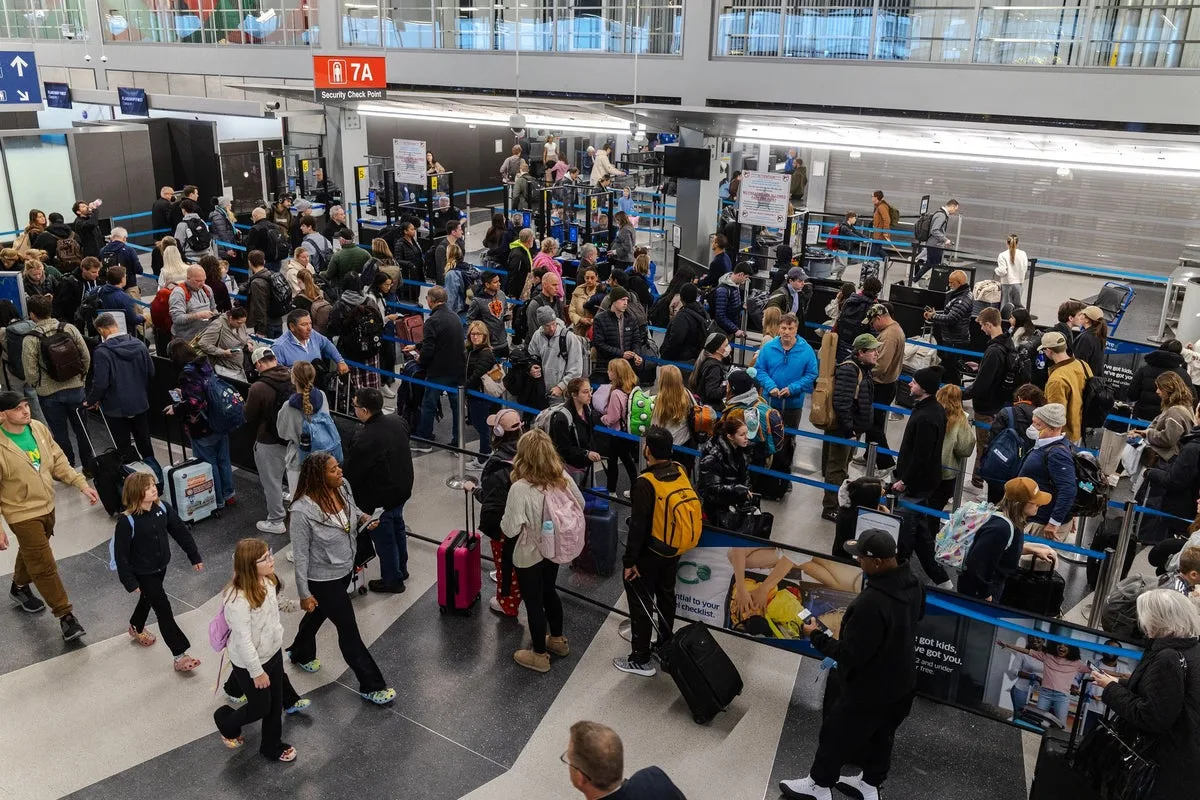
The timing of these cuts coincides with ongoing Department of Homeland Security staffing shortages that have created additional travel disruptions nationwide, including extended security lines and missed connections.
Major airlines operating from O'Hare have generally expressed support for the federal directive. American Airlines commended the swift action, stating they were "grateful to Secretary Duffy, Administrator Bedford, and their leadership teams for acting swiftly to ensure that Chicagoans and all consumers continue to benefit from sensible competition and to help minimize flight disruptions during the busy summer season."
United Airlines similarly praised the government's decision, describing it as "a solution that makes sense for everyone who cares about O'Hare's success."
Implementation and Passenger Communication
A spokesperson for O'Hare did not immediately respond to requests for comment regarding the mandate. Airlines serving the airport must now review the order's specific details to determine which flights to eliminate and develop appropriate communication strategies for affected passengers.
The federal intervention represents a significant recalibration of summer travel expectations at one of America's most critical aviation hubs, prioritizing reliability over volume during what promises to be another challenging travel season.






