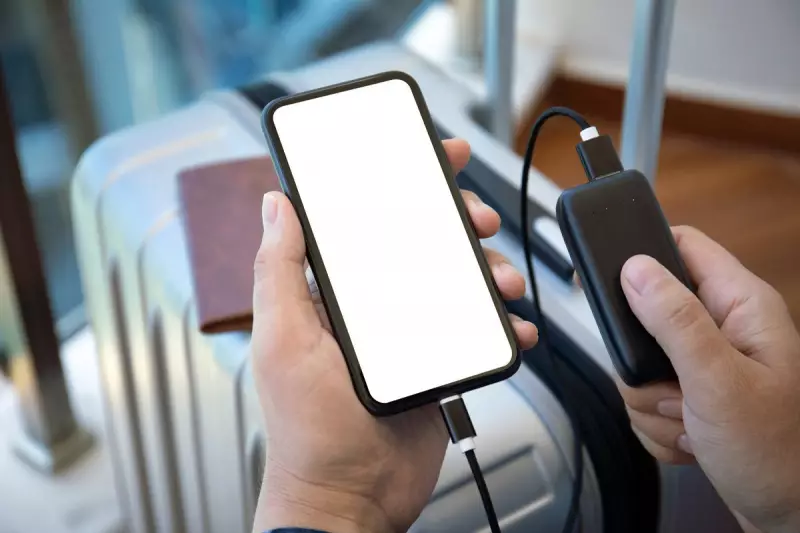
For modern travellers, a charged smartphone is a lifeline, essential for navigating digital boarding passes and arrival procedures. However, the very devices that keep our phones powered—portable chargers and power banks—are now at the centre of significant new airline safety regulations. A wave of carriers is implementing strict bans on their use during flights, citing serious fire risks associated with their lithium-ion batteries.
Why Airlines Are Tightening Power Bank Rules
The core concern is safety. Lithium-ion batteries, common in power banks, can pose a severe fire hazard if they are damaged, overheat, or short-circuit. In the confined space of an aircraft cabin, such an incident could be catastrophic. This has prompted a global reassessment of in-flight policies.
Leading the change, the Lufthansa Group instituted a new policy from 15 January 2026. Passengers on its airlines are now prohibited from using or charging power banks during a flight and are limited to carrying a maximum of two such devices to enhance onboard safety.

They are not alone. Several other major carriers have introduced similar restrictions, often including a ban on storing power banks in overhead lockers. This ensures cabin crew can respond swiftly if a battery overheats, as they are kept within easier reach under seats or in seat pockets.
Current UK Regulations and Global Airline Bans
So, what are the rules for British travellers? The UK Civil Aviation Authority (CAA) permits spare lithium-ion batteries with a rating between 100 and 160 watt-hours (Wh) in carry-on luggage, with a limit of two per person. All batteries must be individually protected to prevent short circuits. Critically, they are never allowed in checked baggage.
Glenn Bradley, Head of Flight Operations at the CAA, emphasised: "If they become faulty or damaged, they can cause an intense fire that is difficult to extinguish... Power banks and spare batteries should be in a cabin bag and should be completely turned off."
Globally, the list of airlines imposing in-flight bans is growing rapidly:
- Emirates: From 1 October 2025, banned using power banks onboard. Only one is allowed in the seat pocket or under-seat bag.
- Virgin Australia, Qantas & Jetstar: As of December 2025, banned use and charging onboard due to risks from defective devices.
- Singapore Airlines: Effective 1 April 2025, prohibited charging power banks via USB ports or using them to charge devices.
- EVA Air (Taiwan): Bans use and charging; they must be carried securely in hand luggage.
- South Korea: From 1 March 2025, following an Air Busan fire, rules limit passengers to five batteries under 100Wh each.
How to Travel Safely With Your Portable Charger
The consensus is clear: you can fly with your portable charger, but you must pack it correctly and follow the specific rules of your airline. Always pack power banks in your carry-on luggage, never in the hold. Ensure devices are switched off, not just in standby mode. Check your airline's website for the latest restrictions before you travel, as policies are evolving quickly.
With these new regulations, the key for passengers is preparation. Ensuring your devices are charged before travel and understanding where and how you can carry your backup power source will be essential for a smooth and compliant journey.