NASA Research Plane Makes Emergency Belly Landing in Texas, Crew Safe
NASA Plane Lands Without Gear in Texas, Crew Safe

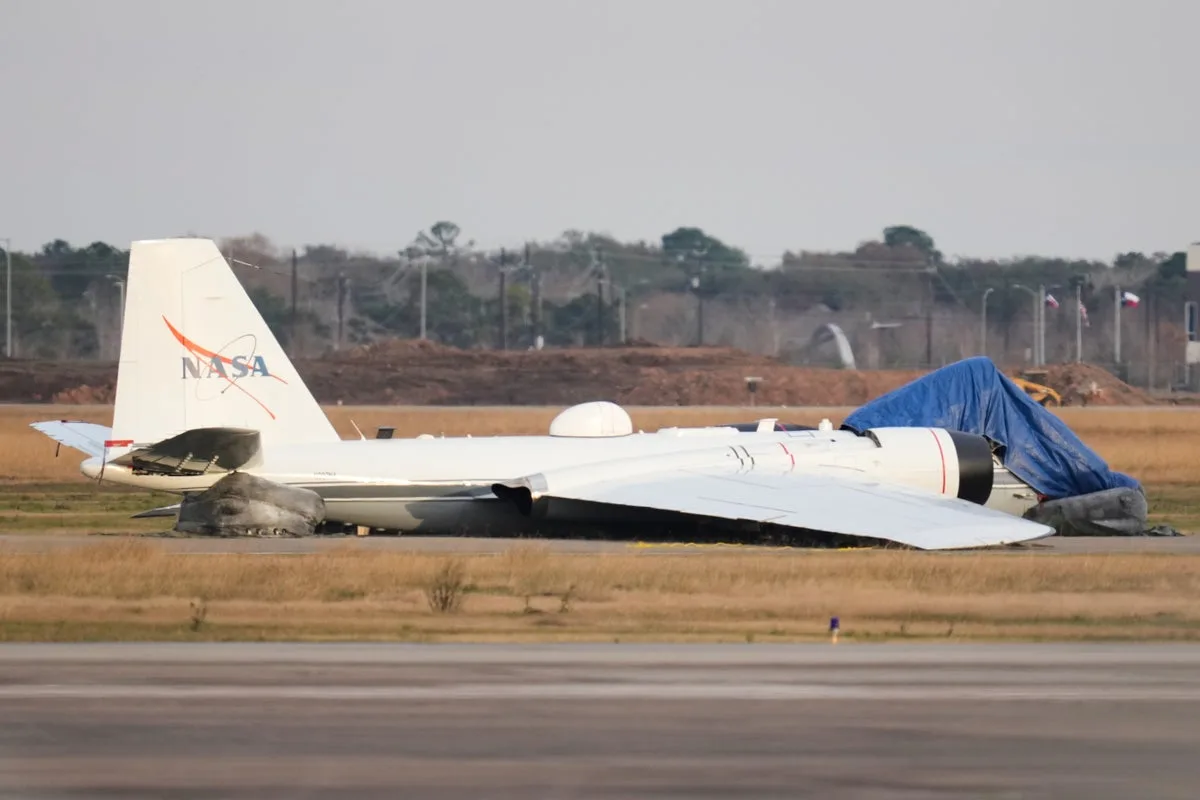
A NASA research aircraft has executed a dramatic emergency landing in Texas after experiencing a significant mechanical failure that prevented the deployment of its landing gear. The incident, which occurred on Tuesday, saw the specialised plane touch down on its belly at Ellington Airport, located southeast of Houston, resulting in visible plumes of flame and smoke.

Crew Emerges Unharmed from Dramatic Incident

The federal space agency confirmed in a statement posted on social media platform X that the crew successfully landed the aircraft and are "all safe at this time." NASA attributed the emergency to a "mechanical issue" and stated that a full investigation will be launched to determine the precise cause of the malfunction.

Video Captures Tense Moments on the Runway

Footage shared widely on social media and by local news outlets captures the tense sequence of events. The video shows the distinct, slender-fuselage NASA WB-57 plane slowly descending towards the runway. Upon touchdown, the aircraft jolts violently, its wings bouncing as bright yellow flames and thick white smoke erupt from beneath its fuselage.

The plane then slides steadily down the runway, with flames intermittently bursting and disappearing within a growing cloud of smoke. The aircraft appears to begin decelerating before the clip concludes. Subsequent local news footage from KHOU 11 shows the scene after the plane came to a complete stop, with the cockpit hatch open, emergency vehicles with flashing lights positioned nearby, and responders assessing the aircraft's blackened nose.

Profile of the High-Altitude Research Aircraft

The aircraft involved is identified as the NASA WB-57, a model designed for high-altitude research missions. This two-seater plane is capable of sustained flights lasting approximately six and a half hours at extreme altitudes exceeding 63,000 feet, or 19,200 metres. According to NASA's official website, the WB-57 platform has been a valuable asset to the scientific community since the 1970s, supporting a wide range of atmospheric and astronomical research projects.

This emergency landing underscores the inherent risks associated with advanced aviation research, even for an agency with NASA's extensive experience and rigorous safety protocols. The successful outcome, with no reported injuries to the crew, highlights the effectiveness of the emergency procedures followed during this critical incident at the Texas airport.




