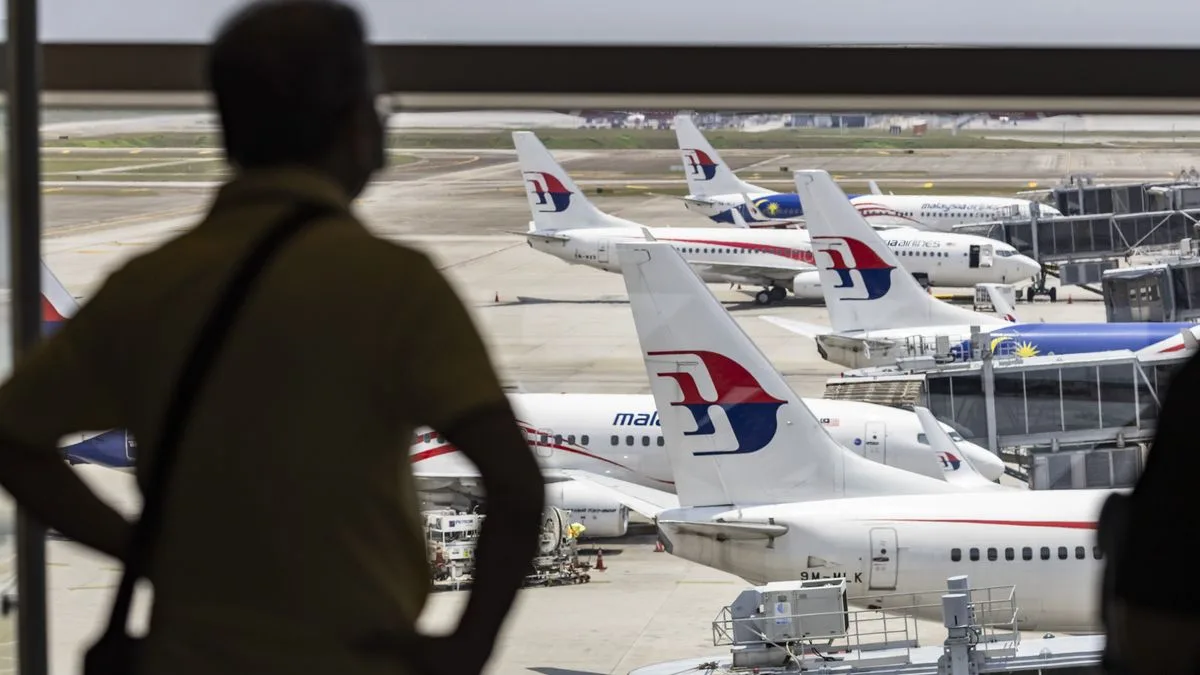
The search for Malaysia Airlines Flight MH370 has resumed in the Indian Ocean, more than a decade after the plane vanished with 239 people on board. The vessel Armada 86 05, carrying two autonomous underwater vehicles, has arrived at the designated search area, according to Malaysia's Transport Ministry.
The ministry did not disclose the exact location of the search, but confirmed that the vessel prepared at Fremantle Port in Western Australia before departing. The ship is believed to belong to Ocean Infinity, a Texas-based marine robotics firm that led a previous search in 2018 under a "no-find, no-fee" agreement.
Ocean Infinity declined to comment on the operation beyond confirming its resumption, citing the "important and sensitive nature" of the mission. The company briefly restarted seabed searches earlier this year, focusing on a new 5,800-square-mile area in the southern Indian Ocean, but called off the operation in April due to bad weather.
MH370 disappeared from radar on March 8, 2014, 39 minutes after departing Kuala Lumpur for Beijing. The pilot's final radio call was "Good night, Malaysian Three Seven Zero." Military radar later showed the jet turning back over the Andaman Sea, and satellite data indicated it continued flying for hours before crashing into the remote southern Indian Ocean.