As the UK braces for more frequent heatwaves, experts suggest adopting Mediterranean-style cooling techniques to keep homes comfortable without relying on energy-intensive air conditioning. Dr. [Author], co-writer of The Architecture of Natural Cooling, recalls a 1990s seminar warning that London's climate would resemble Marseille's within 30 years—a prediction now coming true.
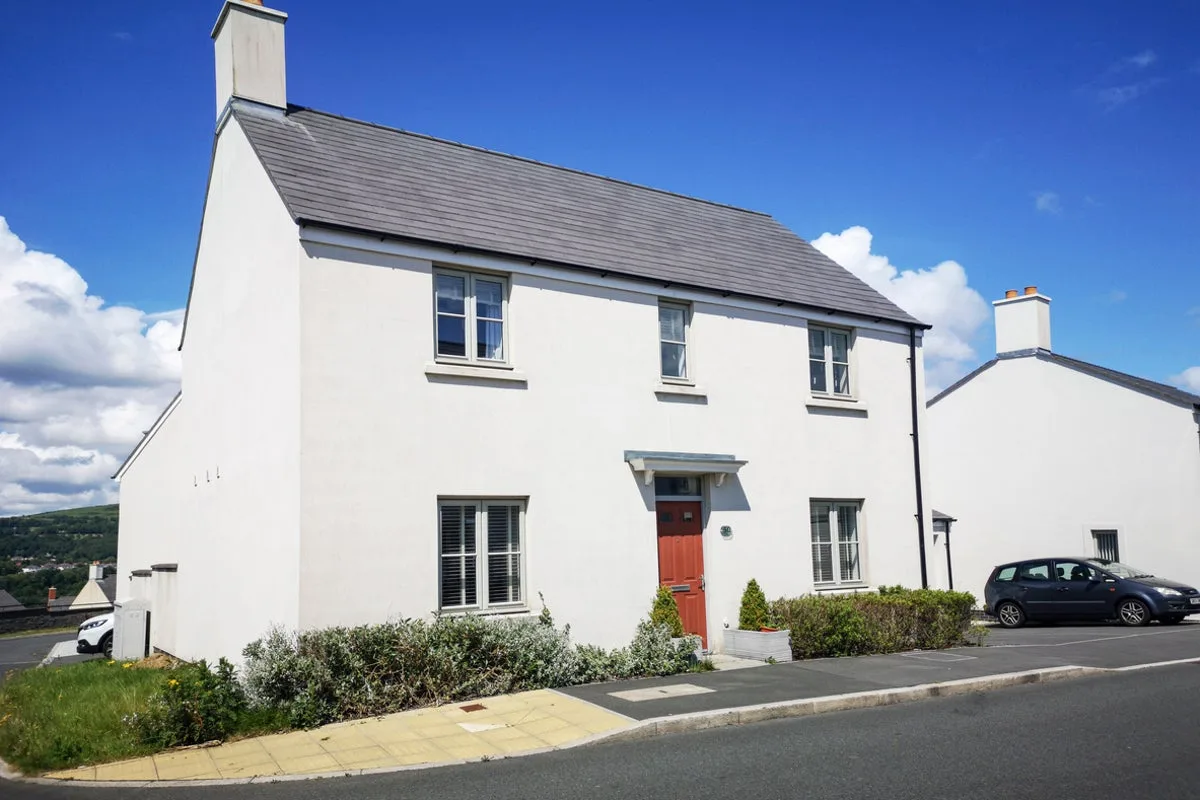
One of the simplest and most effective strategies is painting roofs white. Studies show that white surfaces reflect sunlight, reducing indoor temperatures by 1°C to over 4°C, and can lower surrounding outdoor temperatures by up to 2°C. This helps counter the urban heat island effect, where built-up areas absorb heat and become hotter than rural surroundings.
However, success depends on combining multiple passive strategies. White roofs work best when windows are kept shut during the hottest hours, with shutters or external shades blocking the sun. Heavyweight walls and floors that store coolness from night air also help, as does night-time ventilation—provided outdoor temperatures drop after dark.
Concerns about white roofs making homes colder in winter are minimal, especially with good insulation. In northern climates, winter sunlight is weak, so it's more effective to let sunlight in through double-glazed windows than to rely on dark materials. Reflective coatings are affordable for flat or low-pitched roofs, but steeply pitched roofs may require replacing dark tiles with reflective clay tiles, costing from £125 per square metre.
With climate change and rising energy prices, these low-tech solutions offer a practical way to keep British homes cooler and cheaper to run. As the author notes, sometimes the best answers aren't hi-tech or expensive.