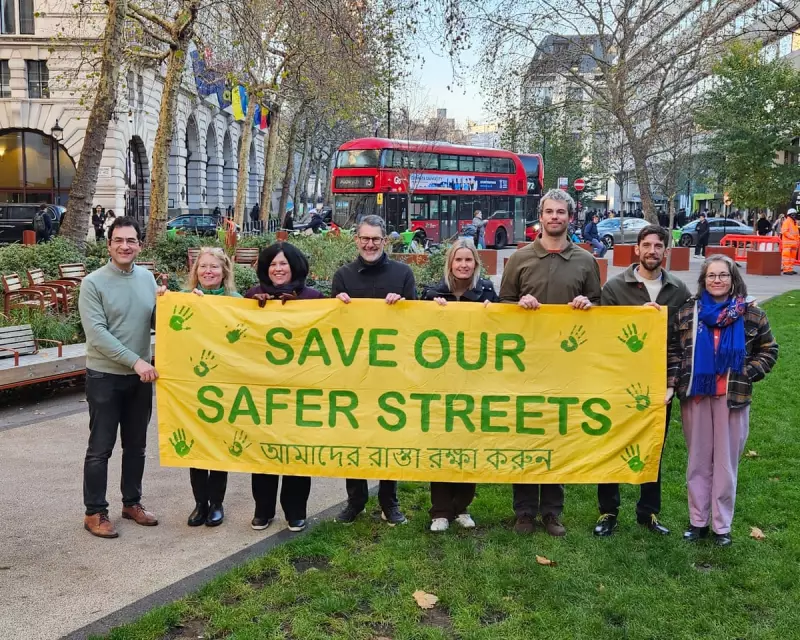
Court of Appeal Delivers Landmark Ruling on Low Traffic Neighbourhoods
The Mayor of Tower Hamlets has been found to have acted unlawfully in his attempt to remove three established low traffic neighbourhood (LTN) schemes, according to a significant ruling from the Court of Appeal. This decision represents a major victory for road safety campaigners who have fought for more than three years to preserve traffic restrictions in the east London areas of Bethnal Green, Shoreditch, and Columbia Road.
Legal Battle Over Traffic Management
The case reached the Court of Appeal after Mayor Lutfur Rahman successfully challenged the LTNs at the High Court in December last year. During his election campaign, Rahman had promised to remove what he described as barriers affecting working-class residents who depend on cars, pledging to "reopen our roads, and abolish the failed Liveable Streets scheme."
However, the appeal judge determined that Rahman exceeded his authority by attempting to dismantle schemes that were implemented as part of a traffic strategy agreed with Transport for London (TfL). The ruling establishes important legal clarity regarding boroughs' obligations to maintain infrastructure funded through TfL to support the Mayor of London's transport strategy.

Community Campaign Vindicated
Road safety activists expressed feeling "vindicated" by the court's decision, celebrating what they describe as an emotional moment after their prolonged campaign. Their efforts received support from local NHS trusts and five headteachers from area schools, who argued that the LTNs provide crucial benefits to vulnerable residents.
Ted Maxwell of Save Our Safer Streets highlighted the importance of TfL's involvement in the appeal process. "We the community brought this legal challenge, including raising thousands of pounds for legal support, but the involvement of TfL was key," Maxwell stated. "Their barrister, Charlotte Gilroy GC, was quietly devastating in court. The judge said Rahman acted beyond his powers."
Campaigners have consistently maintained that LTNs represent "simple and cheap infrastructure which protects our public realm from the worst impacts of cars and drivers' behaviour." They argue these measures encourage walking, cycling, and public transport use while reducing isolation and improving accessibility for all community members.
Broader Implications for London Transport Policy
The ruling comes as London Mayor Sadiq Khan continues to advocate for reduced car journeys across the capital, calling for expanded low traffic streets and wider implementation of 20mph speed limits. A TfL spokesperson welcomed the court's decision, stating: "Walking and cycling infrastructure, such as low traffic neighbourhoods, plays an important role in making our streets safer."
Maxwell expressed hope that the victory would inspire similar campaigns across London, describing it as "a shot in the arm" for safer streets advocates. The case establishes significant precedent regarding the legal framework governing traffic management schemes implemented through partnership between London boroughs and Transport for London.