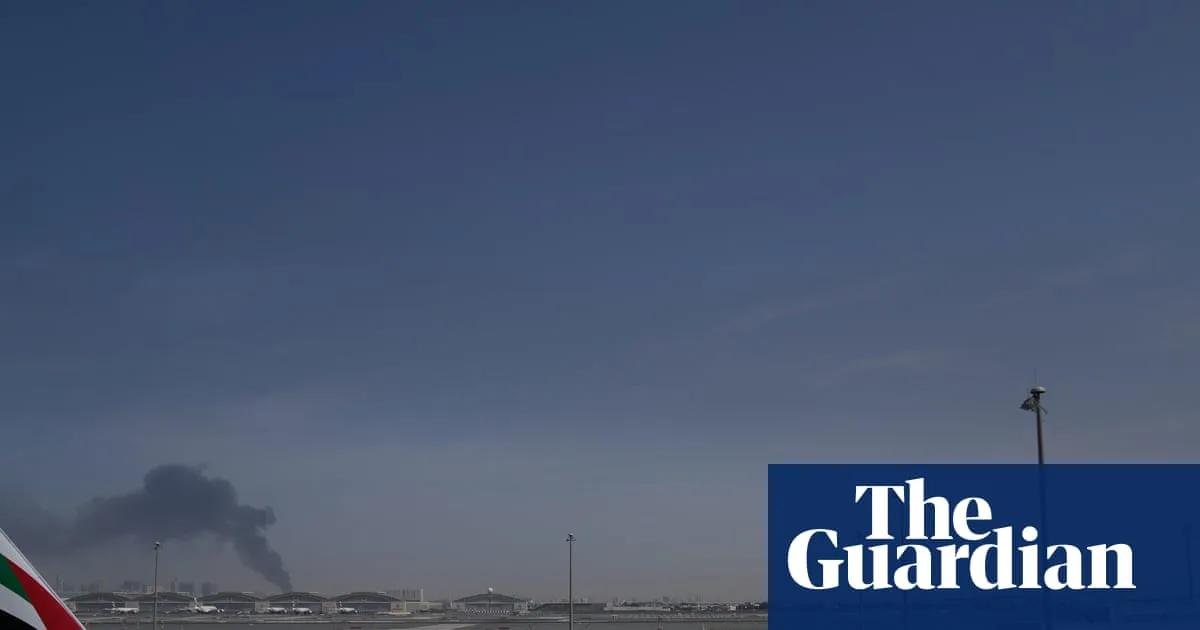
Hundreds of thousands of passengers remain stranded as the fallout from US-Israeli strikes on Iran continues to disrupt global air travel. Key Middle Eastern airports, including Dubai, the world's busiest international hub, have been closed for a third consecutive day, causing the most acute aviation shock since the Covid pandemic.
By Monday morning, almost 1,700 flights to the Middle East had been cancelled, according to analysts Cirium, though the figure is likely an underestimate due to limited data from Iran and the UAE. Emirates and Etihad Airways have suspended flights until at least late Tuesday morning, while Qatar Airways has halted operations as long as Qatari airspace remains closed. However, a limited number of special flights are due to depart from the UAE on Monday evening to allow stranded passengers to leave.
The disruption has spread beyond the Middle East, with flights to Cyprus affected after a drone hit the RAF base in Akrotiri. EasyJet cancelled return services between Paphos and Larnaca and the UK on Monday and Tuesday, while British Airways cancelled its Monday Larnaca service. Virgin Atlantic has cancelled Dubai flights from London until Wednesday, and Air India cancelled flights from Delhi, Mumbai and Amritsar to major European and North American cities.
Travel companies are offering refunds or free changes to those due to travel in the coming weeks. Tui, Europe's largest travel company, saw shares drop 9%, while British Airways owner IAG fell 5%. BA has told passengers due to fly to the Gulf, Israel or Jordan until 15 March that they can delay travel free of charge.
The prolonged closure of airspace – more than 24 hours – and the shutdown of all three big Gulf transit hubs is unprecedented, analysts say. Crew and pilots are scattered across the world, complicating the resumption of flights. Meanwhile, some wealthy passengers are turning to private jets, with flights from Riyadh to Europe costing up to $350,000.