A critical shortage of electrical power on a major UK rail artery has compelled a budget train operator, which markets itself as an 'all-electric' service, to resort to running diesel locomotives on a brand new route connecting Scotland with London.
Infrastructure Constraints Disrupt Green Ambitions
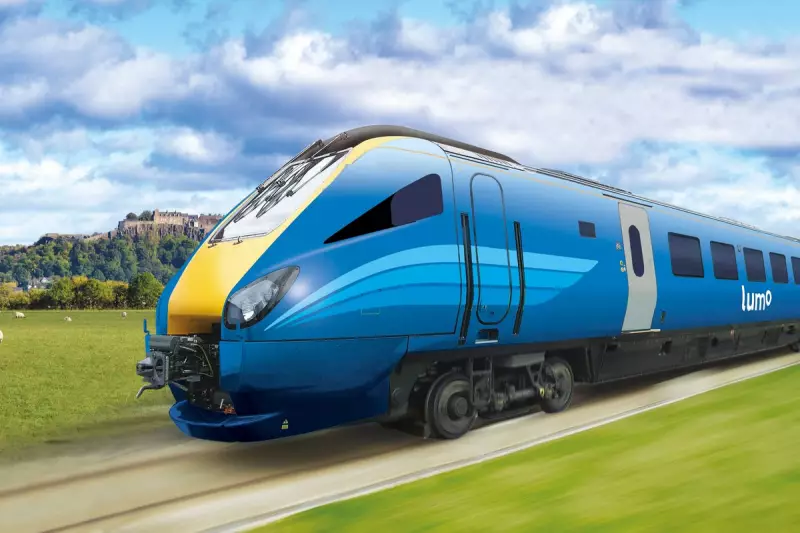
The issue centres on the West Coast Main Line (WCML), where energy supply problems, particularly around the key hubs of Crewe and Acton in London, are impacting electric train operators. This has directly affected Lumo, the low-cost rail service owned by FirstGroup plc, which is preparing to launch a new connection from Stirling to London Euston in May 2026.
Despite its commitment to electric-only travel on its existing East Coast routes, Lumo has confirmed that for its new West Coast service, it will initially be forced to operate using diesel-powered trains. The company plans to run five trains per day on the route, which will stop at ten stations across England and Scotland.

Diesel Interim Solution Amid Industry-Wide Issues
Lumo will deploy a fleet of five refurbished Class 222 diesel trains, each comprising six carriages. A spokesperson for the operator stated that these trains utilise intelligent engine management systems designed to minimise fuel consumption where possible.
The power supply limitations were formally highlighted by Network Rail to the Office of Rail and Road (ORR) during the process for Lumo to introduce its new services. This infrastructure shortfall is not isolated to passenger services; some freight operators on the same Glasgow-London line have also been prevented from switching to more sustainable electric locomotives due to the lack of available power.
Long-Term Hopes for Hybrid Future
Looking beyond the immediate diesel compromise, Lumo has expressed its ambition to transition to more environmentally friendly rolling stock. The company aims 'to operate electric-battery hybrid trains in the longer term' once the power supply issues on the WCML are resolved.
In a statement, Lumo emphasised that rail remains one of the greenest transport modes, especially compared to air and road travel. The operator added that it continues to work with industry partners to launch the new services, which it believes will boost the local economies of the communities it connects.
This new 'open access' service will see Lumo competing directly with established operators on the corridor, including Avanti West Coast, TransPennine Express, and LNER.