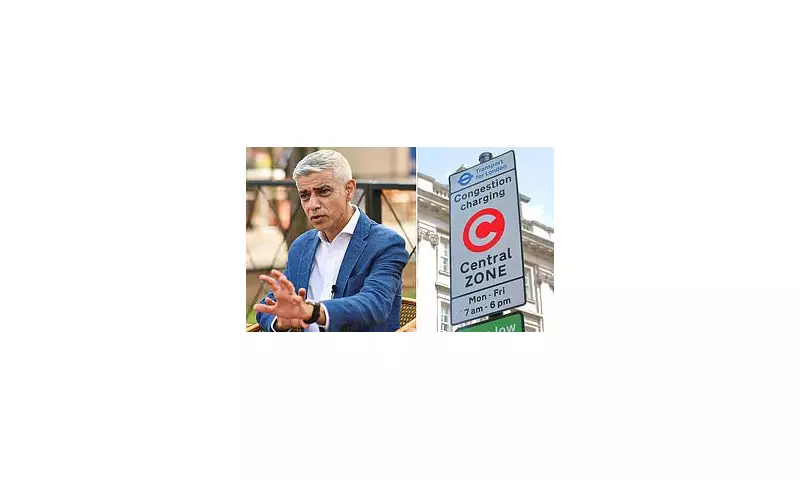
Drivers of electric vehicles (EVs) in London are now required to pay the city's congestion charge, marking a significant shift in policy under Mayor Sadiq Khan. The move, which came into effect today, removes the 100% discount previously enjoyed by zero-emission cars and is part of a broader package of transport cost increases affecting millions.
New Charges and Fare Hikes Take Effect
The standard daily congestion charge for petrol and diesel vehicles has risen for the first time in five years, jumping from £15 to £18. Simultaneously, pure battery-electric vehicles have lost their full exemption. From now on, they will only receive a 25% discount, while electric vans and lorries get a 50% reduction. These discounts are set to be slashed further in 2030.
This change coincides with a near 5% increase in Tube and rail fares across the capital, a rise that is double the current rate of inflation. A single Tube journey within Zone 1 will now cost £2.90, up by 10p. However, bus and tram fares have been frozen at £1.75 for unlimited journeys within an hour.

Financial Pressure and Criticisms
Critics have labelled the end of the EV exemption a "backward step," warning it will increase motoring costs and push up prices for consumers as delivery firms and tradespeople pass on their higher operating expenses. The congestion charge is paid on top of the £12.50 daily Ultra Low Emission Zone (ULEZ) fee, which now covers a vast area stretching to the borders of the Home Counties.
The Mayor's office has defended the decisions, stating they are necessary to keep the congestion charge effective and to encourage sustainable travel. Sir Sadiq Khan argued that without change, an extra 2,200 vehicles would enter the charging zone on an average weekday next year. He emphasised that substantial incentives for cleaner vehicles remain for London residents within the zone.
Broader Context for Transport for London
These changes come as Transport for London (TfL) faces significant financial challenges. TfL is currently £5 million in deficit, a stark contrast to its plan to have accrued a £150 million surplus since April. Its annual operating surplus is now projected to be just £23 million by next April, far below the £138 million recorded in 2023/24. The organisation's finances were partly damaged by a cyber attack in September.
The Mayor's office contends that, despite the increases, fares in March 2025 will be 9% lower than if they had risen in line with National Rail fares since 2016. They also state that the bus fare freeze means costs are only 25p higher than when Mr Khan was first elected.