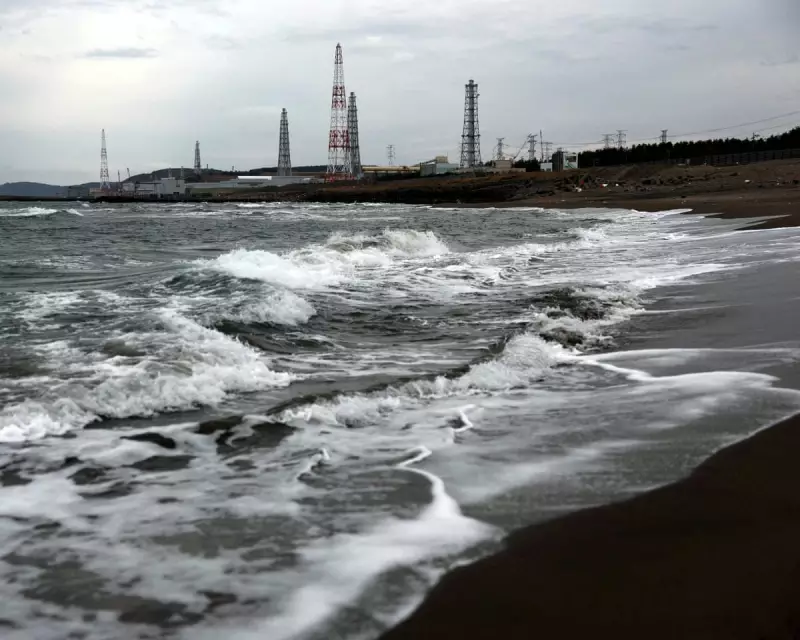
The restart of the world's largest nuclear power plant has been abruptly suspended in Japan, merely one day after operations commenced for the first time in approximately 14 years. The Tokyo Electric Power Company (Tepco), the operator, has stated it cannot predict when the technical issue will be resolved.
Immediate Suspension Following Alarm
The Kashiwazaki-Kariwa facility, located in Niigata province, had been offline since the catastrophic 2011 Fukushima disaster. Operations to relaunch the plant began on Wednesday after receiving final regulatory approval. However, on Thursday, Tepco announced that an alarm from the plant's monitoring system sounded during the reactor startup procedures, forcing an immediate suspension of activities.
"We don't expect this to be solved within a day or two. There is no telling at the moment how long it will take," stated site superintendent Takeyuki Inagaki during a news conference. "We will for now fully focus on trying to identify the cause of what happened."

Stable Condition Maintained
Tepco spokesperson Takashi Kobayashi informed the AFP news agency that once it became clear resolving the issue would require time, the decision was made to "reinsert the control rods in a planned manner." He emphasised that the reactor "is stable and there is no radioactive impact outside." Control rods are crucial devices used to manage the nuclear chain reaction within the reactor core, capable of slowing or stopping the process entirely when inserted deeper.
A Plant of Immense Scale and Controversy
The Kashiwazaki-Kariwa plant holds the title of the world's biggest nuclear power station by potential capacity, though only one of its seven reactors was being restarted. The entire facility was taken offline in 2011 when Japan halted nuclear power generation following the earthquake and tsunami that triggered meltdowns at three reactors of the Fukushima Daiichi plant.
Japan, a resource-poor nation, is now actively seeking to revive its atomic energy sector. This strategic move aims to reduce heavy reliance on imported fossil fuels, achieve its target of carbon neutrality by 2050, and meet burgeoning energy demands, particularly from the rapidly expanding artificial intelligence industry.
Deep Public Division and Safety Concerns
This restart marks the first Tepco-operated unit to come back online since the 2011 disaster; the company also manages the ongoing decommissioning of the Fukushima plant. Public sentiment in Niigata remains profoundly split. A survey conducted in September revealed approximately 60% of local residents oppose the restart, with only 37% in support.
Earlier this month, opposition intensified as seven activist groups submitted a petition bearing nearly 40,000 signatures to both Tepco and Japan's Nuclear Regulation Authority. The petition highlighted significant safety concerns, noting the plant is situated on an active seismic fault zone and was previously struck by a powerful earthquake in 2007.
The unexpected halt at Kashiwazaki-Kariwa underscores the complex challenges Japan faces as it navigates its contentious energy future, balancing economic and environmental goals with persistent public apprehension and technical reliability.