HS2's Chiltern Tunnels: A Glimmer of Hope Amidst a Stalling Project
Inside HS2's Spectacular Completed Chiltern Tunnels

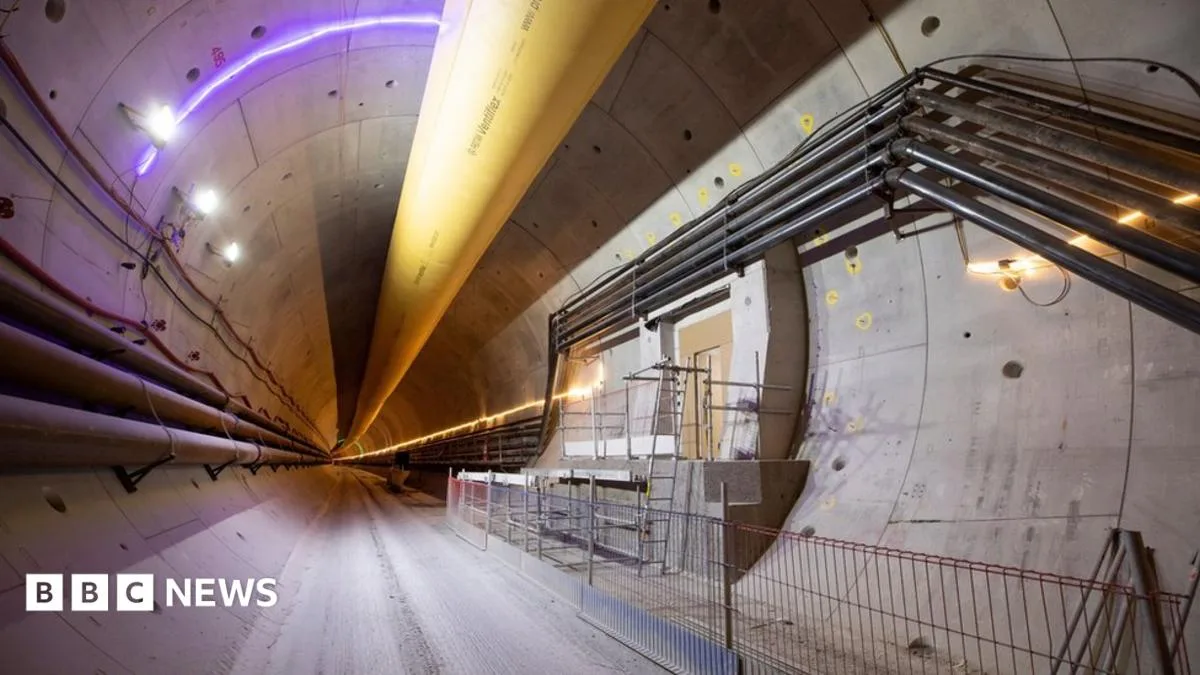
Seventy metres below the rolling hills of the Chilterns, a remarkable feat of engineering lies in wait. Two pristine, 10-mile-long tunnels, gleaming with concrete, stand complete – a stark contrast to the stalled sites and political turmoil that have come to define the HS2 high-speed rail project.

A Buried Triumph in Troubled Times

While the ballooning costs and delays of HS2 have sparked national soul-searching about the UK's ability to deliver major infrastructure, the completed tunnels under the Area of Outstanding Natural Beauty offer a glimmer of hope. A staffer on the scheme lamented that this is what the entire route should look like by now: fully constructed and simply awaiting tracks.

Ironically, this section was one of the first areas of major dispute. Uproar from local communities, including those in Conservative marginal constituencies, led to the decision for extended tunnelling long before the HS2 bill became law. This clear, early remit allowed work to proceed with focus.

Construction began in earnest at the start of the pandemic. The main works contractor for this section, Align JV – a joint venture between Bouygues, Sir Robert McAlpine, and VolkerFitzpatrick – saw its compound swell to around 1,800 people at its peak. From this base, workers also built the stunning 2.2-mile Colne Valley viaduct.

Engineering Innovation Beneath the Surface

The logistical effort was immense. A dedicated concrete plant was established on-site to produce the 112,000 segments needed to line the tunnels. Two giant tunnelling machines, imported from Germany, operated around the clock in 12-hour shifts for 33 months after the first launch in 2021.

Mark Clapp, HS2 Ltd’s head of civil engineering for the tunnel, stated that the team delivering this complex project on schedule should feel proud their work "will stand the test of time." The project also incorporated significant environmental mitigation, including reusing excavated chalk to create rare calcareous grassland habitat.

Even the necessary ventilation shafts were designed with local impact in mind. Disguised as small agricultural buildings near Chalfont St Peter, their headhouses mask cavernous basements, avoiding the visual intrusion of multi-storey structures. This design also minimised spoil removal and lorry movements.

Further innovation is found at the tunnel portals. To prevent a sonic boom from trains entering at 200mph, engineers developed 200-metre-long perforated concrete funnels. This solution emerged from lab tests using miniature trains on elastic bands, a practical alternative to the elongated noses used on Japanese bullet trains, which were deemed unsuitable for the UK's older rail infrastructure.

A Long Wait for Trains and a Project in Reset

Despite the tunnels' completion, the wait for trains is far from over. The journey through them, which will eventually take just three minutes, may not begin for another decade. The next phases involve installing mechanical and electrical systems, tracks, and overhead power lines, followed by years of testing.

The progress here is an outlier. The broader HS2 project, originally budgeted at £32.7 billion including lines to Leeds and Manchester, is now expected to exceed £80 billion at current prices. Much of the route north of Birmingham has been axed or remains uncertain.

HS2 Ltd's chief executive, Mark Wild, who took over in December 2024, has called the overall delivery "unacceptable." He is leading a comprehensive review to rebuild the programme efficiently. His initial assessment dashed hopes of the line opening by 2033. The company is now renegotiating contracts with suppliers and has axed hundreds of corporate roles to focus on frontline delivery.

While ministers have pledged to give Wild time to formulate a new plan, the reset itself appears behind schedule. The government has stated that a separate line from Birmingham to Manchester remains an "intention," but stressed it will not be part of HS2.

For now, the Chiltern tunnels stand as a silent, spectacular testament to what UK civil engineering can achieve with a clear goal. They offer a potent symbol of both the promise and the profound challenges of delivering transformative national infrastructure.