A prominent electric vehicle advocate has ignited a fierce online debate by launching a scathing critique of the modern utility vehicle, branding them oversized, dangerous 'vanity wagons'.
Safety Fears Over 'Catastrophic' Vehicle Size Race
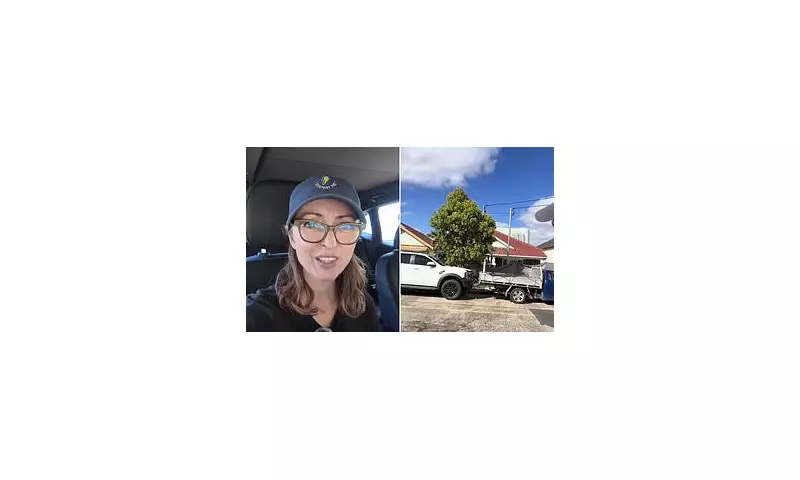
Sarah Aubrey, a pro-electric-car influencer, posted a video comparing an older Ford Falcon ute from the early 2000s with a contemporary Ford Ranger Raptor. She argued that the trend towards larger, taller vehicles is making roads more perilous. Ms Aubrey claimed the older, car-like Falcon ute was 'much safer for pedestrians and cyclists' due to its lower profile.
In her social media clip, viewed nearly 67,000 times, she pointed to the Ranger's high bonnet and significant blind spots. 'Why have utes gotten so big and so high?' she asked. 'As a consequence, they're much more dangerous to everyone else on the road.' She directly linked the trend to rising road deaths and emissions, stating the 'race to the bottom for the biggest vehicle is having catastrophic consequences'.

Public Reaction: Tradie Tool or Family Wagon?
The video sparked hundreds of comments, revealing a stark divide. Some users shared experiences of feeling invisible to ute drivers in smaller cars, while others questioned the practicality of the older models. One critic pointed out that modern vehicles have advanced safety technology like automatic braking, which older utes lack.
Defenders of larger utes highlighted their versatility for family use, camping, and towing. Melbourne car enthusiast Stephano Calabro responded to the Daily Mail, stating manufacturers build larger models because 'people want to drive them'. He praised his Nissan Navara's visibility and off-road capability, criticising electric vehicles for their limited range compared to petrol and diesel.
Broader Context: The Push for Electrification
This controversy emerges alongside the Electric Vehicle Council's call for governments to ban new petrol and diesel car sales by 2035. While the council hasn't yet demanded a ban on utes and trucks, it hasn't ruled it out. Mr Calabro expressed anger at such proposals, valuing the freedom and utility of traditional fuel vehicles.
The debate encapsulates a wider clash over urban vehicle design, road safety priorities, and the path to decarbonisation. As Ms Aubrey concluded, making streets safer for walking and cycling requires a rethink of ever-expanding vehicle dimensions.