HS2's Buckinghamshire Wasteland: A £100bn National Embarrassment
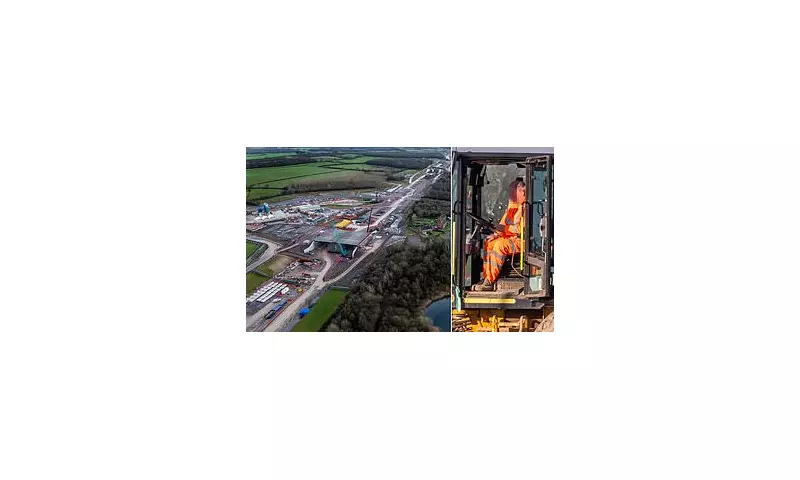
The 120-mile-long construction site that is HS2 has transformed into such a vast, muddy wasteland that it now appears more prominently on satellite imagery than any British motorway. Nowhere is this chaotic scene more evident than the stretch between Steeple Claydon and Calvert in Buckinghamshire, where the project's failures are laid bare for all to see.
A Landscape Transformed
Where once green fields lay, enormous earth mounds now rise skyward. Roads have been closed or redirected to depots filled with lorries, creating constant diversions for frustrated locals. Residents living near what was once cherished countryside complain of deafening noises on the rare occasions when work actually occurs—sounds some compare to a Chinook helicopter taking off.
One of the area's great joys, walking around the Calvert Jubilee Nature Reserve, has been curtailed by a padlocked gate and a "path closed" sign that appeared earlier this month. "It's ridiculous," says Phil Gaskin, chairman of Calvert Green parish council. "They already have a ten-foot high fence separating their works from the nature reserve, so the only explanation for this is that they don't want local people to see what they are up to."
Inactivity and Inefficiency
What locals see when they do manage to glimpse the site often adds to their exasperation. Construction workers frequently appear to be doing very little at all. "When they were putting in the temporary road they had to put in pedestrian crossings and they had seven men doing it, five of whom were standing around doing next to nothing," reports Mr Gaskin.
Frank Mahon, a councillor who runs the Prince of Wales pub in Steeple Claydon, similarly recounts tales of inactivity. "I typically see a dozen guys standing around in high-vis, scrolling on their phones," he says. "They can be doing that for eight hours... Weeks will go by with nothing going on."
Structural Concerns and Delays
Local suspicions about serious problems are growing. Rumours circulate about a completed bridge that may be sinking, while another built for the line had to close due to cracks. "It really is one thing after another," said Mr Mahon. "The bridge at Twyford has taken two years so far and the road closures are due to last until November of this year."
The trains were supposed to be running by now, earning Britain the bragging rights of having the world's fastest railway. Instead, HS2 has become a national embarrassment and an object lesson in how not to conduct an infrastructure project. The only records being broken relate to the spiralling costs.
From Optimistic Vision to Costly Reality
When Gordon Brown's government officially launched the HS2 project in March 2010, the vision was transformative. The Prime Minister visited Birmingham to announce passengers could be sped to London in just 50 minutes, while then-transport secretary Andrew Adonis described it as "the great infrastructure project of the 21st century."
The initial cost estimate for the first leg between London and Birmingham was up to £17 billion—a price tag that shocked critics even then. The full project with branches to Manchester and Leeds was costed at £32 billion. How naively optimistic those figures look today.
Spiralling Costs and Minimal Progress
As it turned out, work on HS2 didn't start until 2020 under the Conservatives, and we remain nearly a decade away from having any track or trains. While the company recently announced completion of the two-mile Colne viaduct, only two of 52 required viaducts have been finished, along with 19 of 169 bridges.
Four tunnels have been completed and 105 million cubic metres of earth moved, representing just 70 per cent of what will ultimately be required. The financial picture is even more staggering: by April last year, HS2 Ltd had already spent £40.5 billion building the partly-completed line, with a further £25.3 billion allocated until 2030.
The World's Most Expensive Railway
The line is not expected to open until 2033 at the earliest, with estimates suggesting the final cost could exceed £100 billion. According to the Transit Costs Project by New York University, HS2 is by far the most expensive high-speed rail project in world history at £640 million per mile—three times the cost of HS1 through Kent.
James Stewart, former head of infrastructure projects at the Treasury, confirmed in a 2024 review what critics had long argued: HS2 was misconceived from the start. The insistence on building the world's fastest railway "dramatically increased cost," requiring straighter lines that meant ploughing through rather than going around obstacles.
Problematic Contracts and Property Acquisitions
Construction contracts created perverse incentives for contractors to increase costs, as admitted by HS2 Ltd's new CEO Mark Wild. Companies were employed on "cost plus" contracts that paid whatever they claimed plus a thick slice of profit, with almost all risk falling on taxpayers.
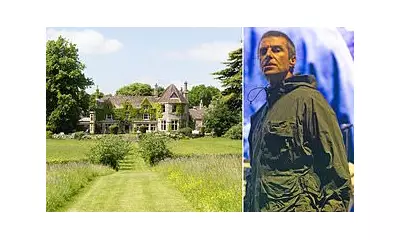
Property acquisition has added billions to the cost, with the government paying nearly £4 billion for over 1,700 residential, commercial and agricultural buildings. Many stand empty yet maintained at public expense, including Stanthorne Hall in Cheshire—bought for £3.8 million just months before the Manchester leg was cancelled—and Sunflower Farmhouse in Buckinghamshire, which lies in disrepair despite regular gardening maintenance.
A Legacy of Waste and Disruption
These empty properties stand as monuments to upended lives and the hubris that has driven HS2 since its inception. With 33,000 workers employed—more than worked on Robert Stephenson's original London to Birmingham line in the 1830s—questions multiply about productivity and purpose.
How much longer this tract of rural England will remain a construction wasteland is anyone's guess. What's certain is that HS2 has transformed from a symbol of national ambition into a case study of infrastructure failure, with Buckinghamshire residents bearing daily witness to its costly, chaotic reality.