
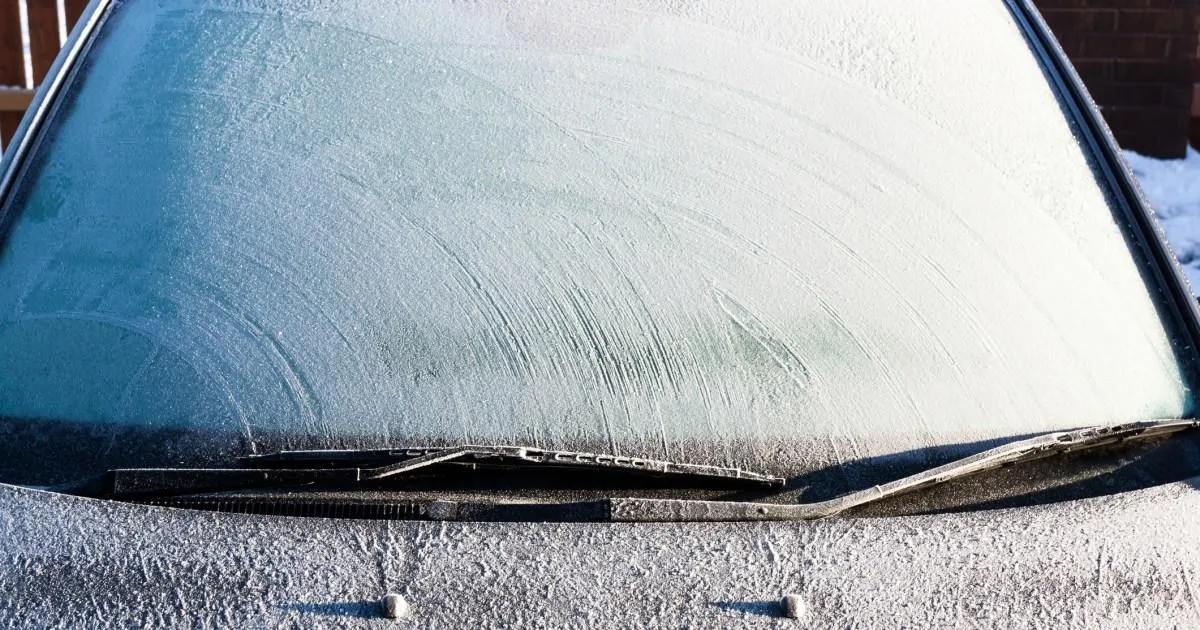
A popular TikTok video claiming to show 'the best way to defrost your window screen' has gone viral, but drivers are being warned that the method could land them with a substantial fine. The clip, posted by East Midlands mechanic @eden_tyres_and_servicing, advises blasting the heating, switching on the air conditioning, turning off air recirculation, and cracking the windows. However, this approach requires leaving the engine running while parked, an offence known as 'car idling'.
Under regulations 98 and 107 of the Road Vehicles (Construction and Use) Regulations 1986, and rule 123 of the Highway Code, it is illegal to leave a vehicle's engine running unnecessarily on a public road. According to the RAC, drivers can face a fixed penalty notice of £20, rising to £40 if unpaid, with repeated offences potentially incurring fines up to £1,000. The rules do not apply on private land such as driveways, but the RAC advises against idling anywhere due to environmental harm and theft risks.
For those seeking safe alternatives, several effective methods exist without breaking the law. A saltwater solution applied to the windscreen the night before, or wiped on in the morning, works as salt lowers the freezing point of water. Similarly, a mixture of two parts surgical spirit or alcohol to one part water, or three parts white vinegar to one part water, can be sprayed on the glass. Another quick trick is sliding a ziplock bag filled with hot water across the windscreen. To prevent ice formation, covering the car with a towel, sheet, newspaper, or cardboard overnight is also recommended.




