Planning a marathon rail journey from Britain to the sun-drenched shores of Sicily can be a complex puzzle, but travel expert Simon Calder has provided a comprehensive guide, alongside answers on budget holidays, Polish gems, and a supersonic flight memory.
The Sicilian Rail Marathon: A Single-Booking Challenge
For traveller Andy H, seeking a seamless, end-to-end rail ticket from the UK to Sicily, the process highlights both the possibilities and persistent fragmentation of European train travel. The market-leading platform Trainline offers a through-booking from London St Pancras to Palermo Centrale for approximately £203 for a journey one month from now.
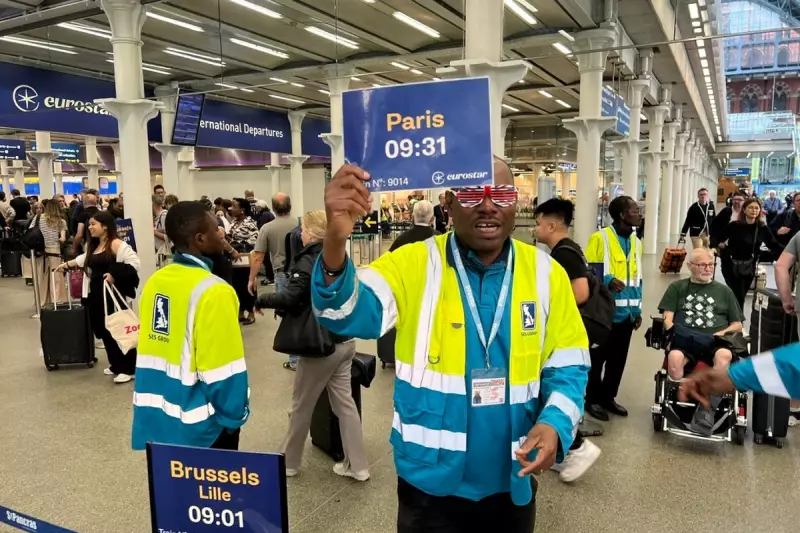
This epic two-day itinerary begins with a 9:31am Eurostar from London to Paris. After crossing the French capital, a train continues to Turin, arriving at 8:23pm. The tight connection involves a 17-minute transfer to a 13-hour overnight service to Salerno in southern Italy. During booking, an optional couchette (a basic camp bed) is offered for around £15.

On the second day, a nine-hour InterCity express from Salerno to Palermo includes a unique highlight: Europe's last train-ferry across the Strait of Messina, where the entire train is shunted onto a vessel.
However, the system's limitations are clear. For journeys starting outside London, a message instructs travellers to first book their Eurostar ticket separately before arranging travel to St Pancras. Calder notes this "rather illustrates the mess that European rail is in," as even major platforms cannot always provide a unified ticket.
For pure convenience, Trainline remains a solid option. Yet, Calder suggests considering companies like Byway, which can craft itineraries with hotel stopovers, potentially using an Interrail pass for cost savings. For comparison, a flight from London to Palermo on the same date can be £100 cheaper at £103.
Navigating the All-Inclusive Holiday Experience
Responding to Sharon Z's query on whether bargain all-inclusives inevitably mean poor food and entertainment, Calder outlines the typical package. These holidays, overwhelmingly popular in Mediterranean destinations like Turkey, provide unlimited buffet food and standard drinks via a wristband system.
Drawing from personal experience, Calder recalls a positive stay at a Greek resort near Rhodes with excellent, fresh food and a taverna-like atmosphere. A large Hurghada resort in Egypt stood out for its included specialty restaurants, though a tipping culture of around £1.60 per round was expected.
Less rewarding experiences in Turkey, Tenerife, and Mexico highlighted the economic model: industrial-scale catering and upselling by making the complimentary drinks unpalatable. Calder expresses broader concerns, citing the ethical agency Responsible Travel, which criticises all-inclusives for being "bad for the environment, bad for local communities... and bad for their customers." The financial incentive to stay within the resort walls limits authentic cultural engagement.
The advice? Understand you often get what you pay for and avoid the very cheapest options if quality is a priority.
Winter Wonders in Historic Torun
For Linda C planning a February visit to Torun in Poland, Calder highly recommends the city. Its medieval old quarter is a Unesco World Heritage site, remarkably preserved as it escaped significant WWII damage.
Winter visitors should brace for average highs of 3°C, but will find rich indoor attractions. The Copernicus Museum is dedicated to the astronomer born there in 1473, and his baptismal font resides in the 13th-century St John's Cathedral, which boasts a viewing platform.
Calder also recommends venturing beyond the city. The health resort of Ciechocinek, 15 miles south, features unusual "graduation towers" for processing spa water. The likely airport gateway, Bydgoszcz, offers post-industrial landmarks and is connected by cheap, frequent trains. If time allows, the historic port city of Gdańsk, 110 miles north, warrants a multi-day visit.

Finally, Calder shared a nostalgic personal anecdote with Barry F about flying on Concorde in January 1986. He secured a one-way trip as an air courier for £150, responsible for time-sensitive documents. The experience, from pre-flight briefings in Feltham to dinner and a cigar on board, was a unique thrill for a then-budding travel writer.