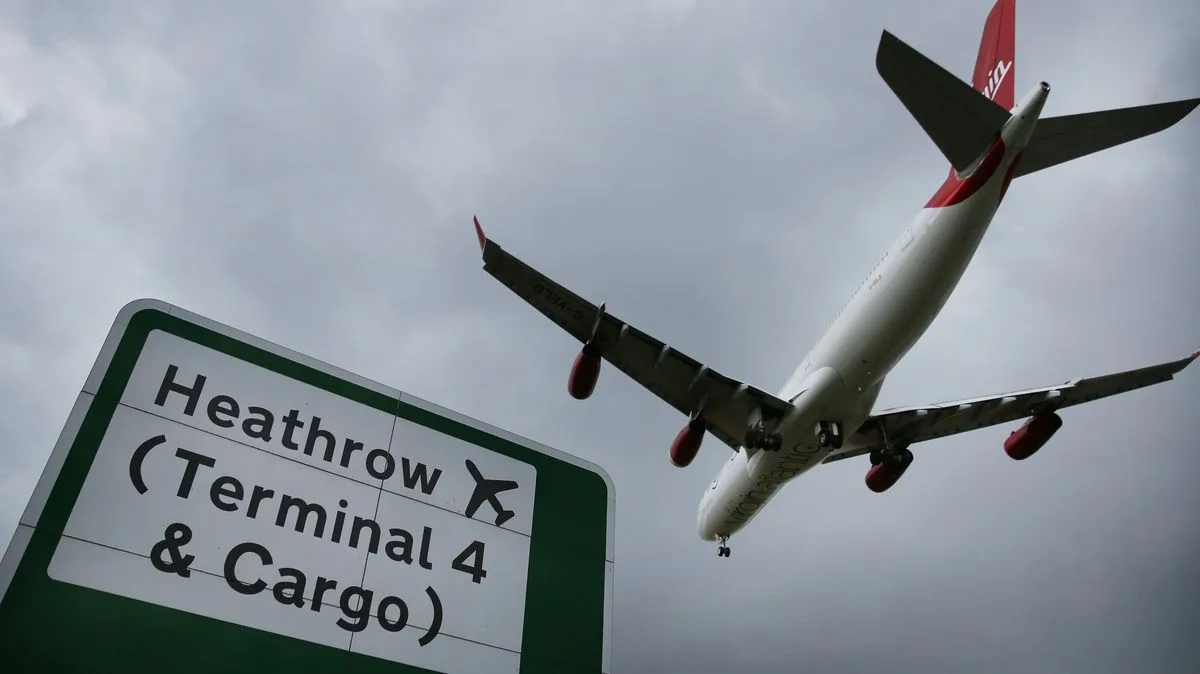
Heathrow Flight Makes Emergency U-Turn Due to Technical Issue
Heathrow Flight Makes Emergency U-Turn After Technical Issue

A Lufthansa flight bound for Germany was compelled to execute an unscheduled U-turn back to London Heathrow Airport after pilots identified a technical issue shortly after takeoff. The incident, which occurred on Thursday, saw the Airbus A320 depart at 11.55 am, only to transmit a squawk 7700 emergency code just 23 minutes later at 12.18 pm, signaling a general emergency to air traffic control.

Emergency Response and Flight Path

According to data from FlightAware, the Munich-bound Flight LH2473 performed a looping manoeuvre over London before diverting back to its departure point at Heathrow. At the time of the alert, the aircraft was cruising at an altitude of approximately 14,000 feet. A spokesperson for Lufthansa confirmed to The Independent that the flight "had to return due to technical reasons", though specific details about the nature of the issue were not disclosed.

Recent Aviation Incidents

This event is not an isolated occurrence in recent aviation history. Earlier this month, an Air Canada flight experienced a similar diversion. Flight AC40, one of the airline's longest routes from Auckland, New Zealand, to Vancouver, Canada, was forced to return just seven minutes after takeoff when pilots reported an "unusual odour" in the cockpit, prompting an emergency declaration.

An Air Canada spokesperson explained that the decision to turn back was made out of an abundance of caution. The aircraft landed normally in Auckland and was subsequently taken offline for a thorough inspection by maintenance teams. Passengers were rebooked to their final destinations as part of the airline's contingency plans.

Safety Protocols and Passenger Assurance

Such incidents underscore the rigorous safety protocols in place within the aviation industry, where crew training and emergency procedures are designed to prioritise passenger and aircraft safety above all else. The use of squawk codes, like 7700 for general emergencies, allows for swift coordination with ground control to manage potential risks effectively.

While technical issues can cause disruptions, airlines like Lufthansa and Air Canada emphasise that these measures are precautionary, aimed at ensuring long-term safety and reliability. Passengers on affected flights are typically accommodated on alternative services, with airlines working to minimise inconvenience.

As aviation continues to evolve, these events serve as reminders of the importance of ongoing maintenance, pilot vigilance, and robust emergency response systems in maintaining high safety standards across global air travel.




