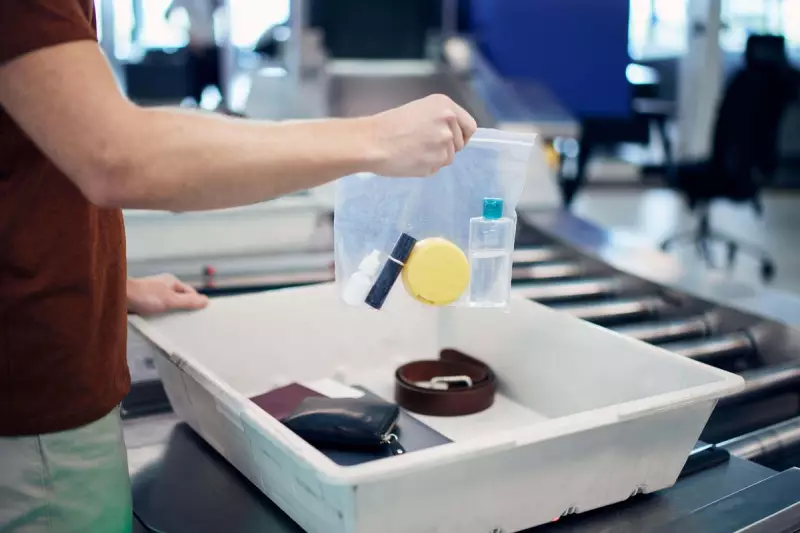
Heathrow Airport has ushered in a new era of air travel convenience by completing a monumental £1 billion security upgrade that fundamentally changes what passengers can carry through security checkpoints. The airport has fully deployed state-of-the-art CT security scanners across all terminals, making it the largest airport in the world to achieve this comprehensive technological rollout.
A Farewell to the 100ml Rule
The most significant change for travellers is the complete removal of the long-standing 100ml limit on liquids in hand luggage. Thanks to the advanced imaging capabilities of the new CT scanners, passengers can now carry liquid containers of up to two litres in their cabin bags. This represents a twenty-fold increase from the previous restriction and marks the end of an era that began in 2006 following specific security threats.
Streamlining the Passenger Experience
Beyond the liquid allowance expansion, the new security measures bring additional practical benefits for air travellers. Passengers will no longer need to remove large electronic devices like laptops and tablets from their hand luggage during security screening. This change is expected to significantly reduce queue times and processing delays at security checkpoints, creating a smoother, more efficient journey through the airport.

The environmental impact of this security overhaul is also noteworthy. Heathrow estimates that the changes will eliminate the need for millions of single-use plastic bags annually that passengers previously used to comply with liquid restrictions. This reduction in plastic waste aligns with broader sustainability goals within the aviation industry.
UK-Wide Implementation Progress
While Heathrow leads as the largest fully converted airport, several other major UK airports have also completed their rollout of the new CT security scanners. Birmingham, Bristol, Gatwick, and Edinburgh airports have all implemented the technology across their security lanes. Some airports, including London City and Luton, have partial implementation with plans to complete their upgrades in the coming months.
The Department for Transport originally set a deadline of June 2024 for all major UK airports to install the new generation security scanners, though extensions have been granted to some airports facing logistical challenges. The technology represents the most significant advancement in airport security screening in nearly two decades, combining enhanced threat detection with improved passenger convenience.
Aviation security experts note that the CT scanners provide security personnel with detailed, three-dimensional images of bag contents, allowing for more accurate assessment of potential threats without requiring passengers to unpack their belongings. This technological leap forward maintains security standards while dramatically improving the passenger experience at one of the world's busiest aviation hubs.