Heathrow's Drop-Off Fee Hits £7: Rip-Off or Green Nudge?
Heathrow airport drop-off fee rises to £7 from New Year

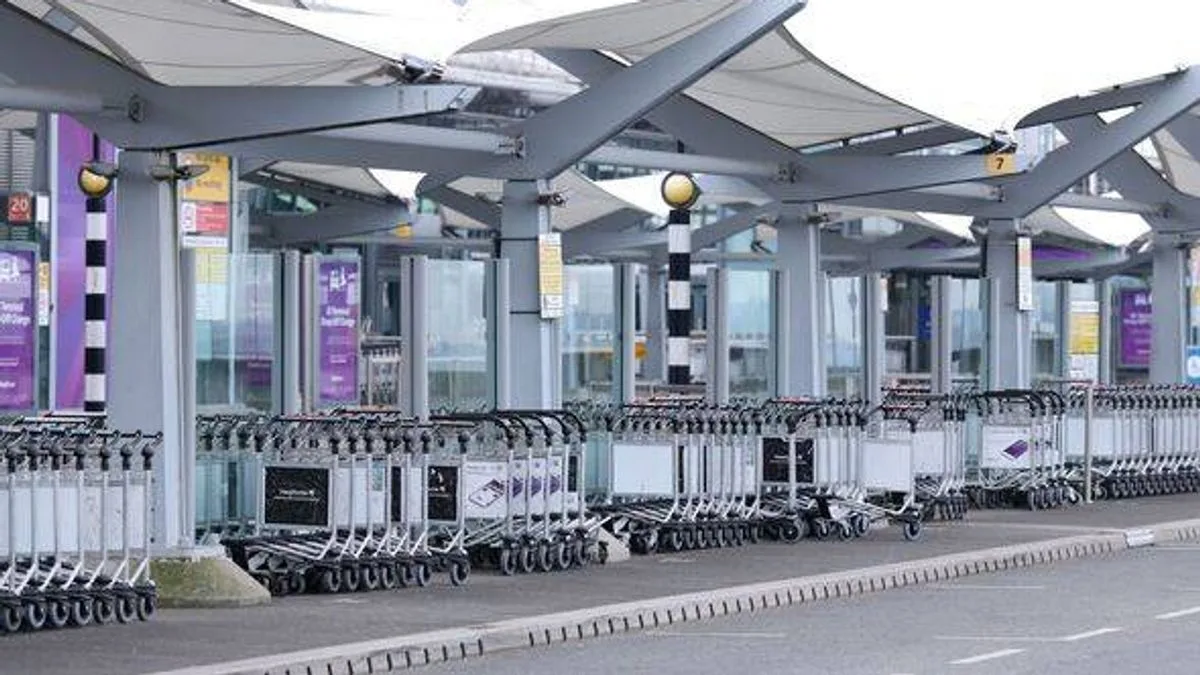
Drivers face a fresh wave of criticism as Heathrow, the UK's busiest airport, announces another increase in its fee for dropping off passengers directly outside its terminals. From 1 January, the charge will rise from £6 to £7, cementing a 40% hike since the fee was first introduced four years ago at £5.

The Rising Cost of Saying Goodbye

Alongside the increased fee, Heathrow is imposing a strict 10-minute maximum stay in the drop-off zones. Drivers who overstay or fail to pay the £7 charge online by midnight the following day will face a penalty. This penalty starts at £40 if paid within two weeks, doubling to £80 thereafter.

The airport defends the move, stating it is simply aligning its charges with other major UK airports. It also notes exemptions for blue badge holders, who will not have to pay or adhere to the 10-minute limit. For those seeking to avoid the fee, the alternative is to use the long-stay car parks and take a shuttle bus—an option deemed unappealing, especially during winter.

Eco Measure or Revenue Stream?

Heathrow, like other airports, insists the charge is not merely a money-making scheme but a 'green' measure designed to nudge passengers towards more sustainable transport options. The aim is to reduce congestion, noise, and emissions by encouraging greater use of rail, Tube, and bus links to the airport.

This argument holds more weight for airports with robust public transport networks, such as those in London, Manchester, Birmingham, and Edinburgh. It becomes harder to justify at airports like Bristol or Leeds Bradford, where bus access is limited and public transport can be costly and time-consuming.

A UK-Wide Trend Takes Hold

The practice of charging for terminal drop-offs is becoming ubiquitous in the UK. London City Airport, the last major UK hub without a fee, is set to introduce one soon, likely matching the new standard rate of £7. This puts it in line with Southend, Luton, Stansted, and Gatwick, with Heathrow joining them on New Year's Day.

The concept originated at Birmingham Airport as a security and cost-offsetting measure following the 2007 Glasgow airport terrorist attack. The UK is now considered a world leader in such charges, a practice largely uncommon abroad.

Airports state that revenue from these fees helps cover operational costs and can help keep charges to airlines lower, potentially encouraging more flight routes. However, at slot-constrained Heathrow—which has the highest passenger charges in Europe—the extra income primarily contributes to returns for its investors, including French private equity and Saudi and Qatari sovereign wealth funds.




