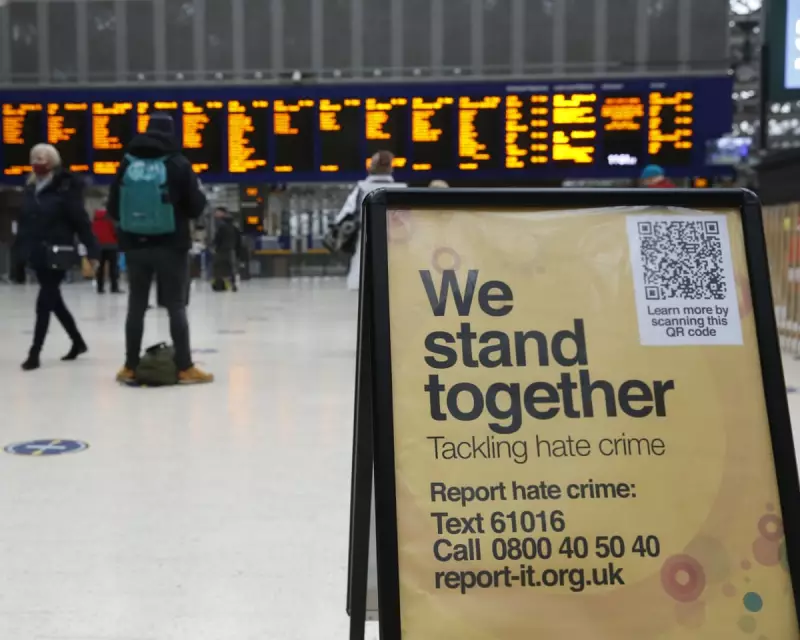
Newly released figures have exposed a deeply concerning rise in hate-fuelled incidents across Britain's public transport network. Data indicates a significant increase in both racial and religious abuse targeting passengers and staff on buses, trains, and the London Underground.
A Disturbing Upward Trend in Abuse
The statistics, which cover the period up to early 2026, reveal a steady climb in reported hate crimes. Incidents involving racial hatred now constitute the majority of all hate crimes recorded on public transport, with religiously motivated abuse also showing a marked increase. This trend points to a growing undercurrent of intolerance affecting the daily commute of millions.
Transport for London (TfL), a major operator, has confirmed the worrying pattern within its own network. A spokesperson stated that while reporting mechanisms have improved, the rise cannot be attributed to better reporting alone, suggesting a genuine escalation in abusive behaviour. The data underscores a daily reality where individuals are targeted based on their ethnicity, faith, or perceived background while simply trying to go about their lives.

Impact on Communities and the Response
This surge in abuse has a corrosive effect on community cohesion and public safety. Victims often feel vulnerable and isolated, with many incidents going unreported due to fear or a belief that nothing will be done. The hostile environment deters people from using essential services, impacting mobility and freedom.
In response, transport authorities and police forces are attempting to bolster their efforts. Initiatives include:
- Enhanced surveillance and plain-clothes patrols on routes identified as hotspots.
- Promotion of discreet reporting tools, such as text services and dedicated apps, to encourage victims to come forward.
- Staff training programmes focused on identifying and responding to hate incidents sensitively and effectively.
However, campaigners argue that these measures, while necessary, are reactive. They call for a more profound, preventative approach that tackles the root causes of prejudice and discrimination within society at large. The challenge extends far beyond the remit of transport police, requiring coordinated action from government, educational institutions, and community leaders.
A Call for Concerted Action
The latest data serves as a stark reminder that public spaces are not immune to the societal divisions that can fuel hatred. Experts warn that without a sustained and multi-faceted response, the problem risks becoming further normalised, eroding the basic right to travel without fear.
The figures for 2025 and early 2026 act as a clear benchmark, highlighting the urgent need for progress. While law enforcement plays a critical role, creating a truly inclusive environment on UK public transport demands a broader cultural shift. Ensuring every passenger feels safe is fundamental to the health of the nation's social fabric and its transport infrastructure.